Central Florida Hurricane Checklist: Security Film for Existing Windows

Hurricane season puts a lot of stress on glass. Strong wind, flying debris, and pressure changes can turn regular windows into weak spots for your home or business. If your property has older glass, big sliders, or large storefront windows, now is the time to think about how well that glass will hold up when storms roll through Central Florida.
Safety film for windows is one smart way to strengthen what you already have. It is not a magic shield, but it can help hold glass together, slow down shattering, and keep openings protected longer. We will walk through what safety film is, how it works with Miami-Dade rated systems, why anchoring matters, and what inspectors and insurance companies may expect to see.
Hurricane Season Is Coming: Is Your Glass Ready to Hold Up?
Hurricane season runs from late spring through fall, and Central Florida feels the effects year after year. You might not live right on the coast, but strong wind and flying debris can still reach homes, storefronts, and office buildings across the region. Large glass areas, older single-pane windows, and framed doors are some of the most at-risk spots.
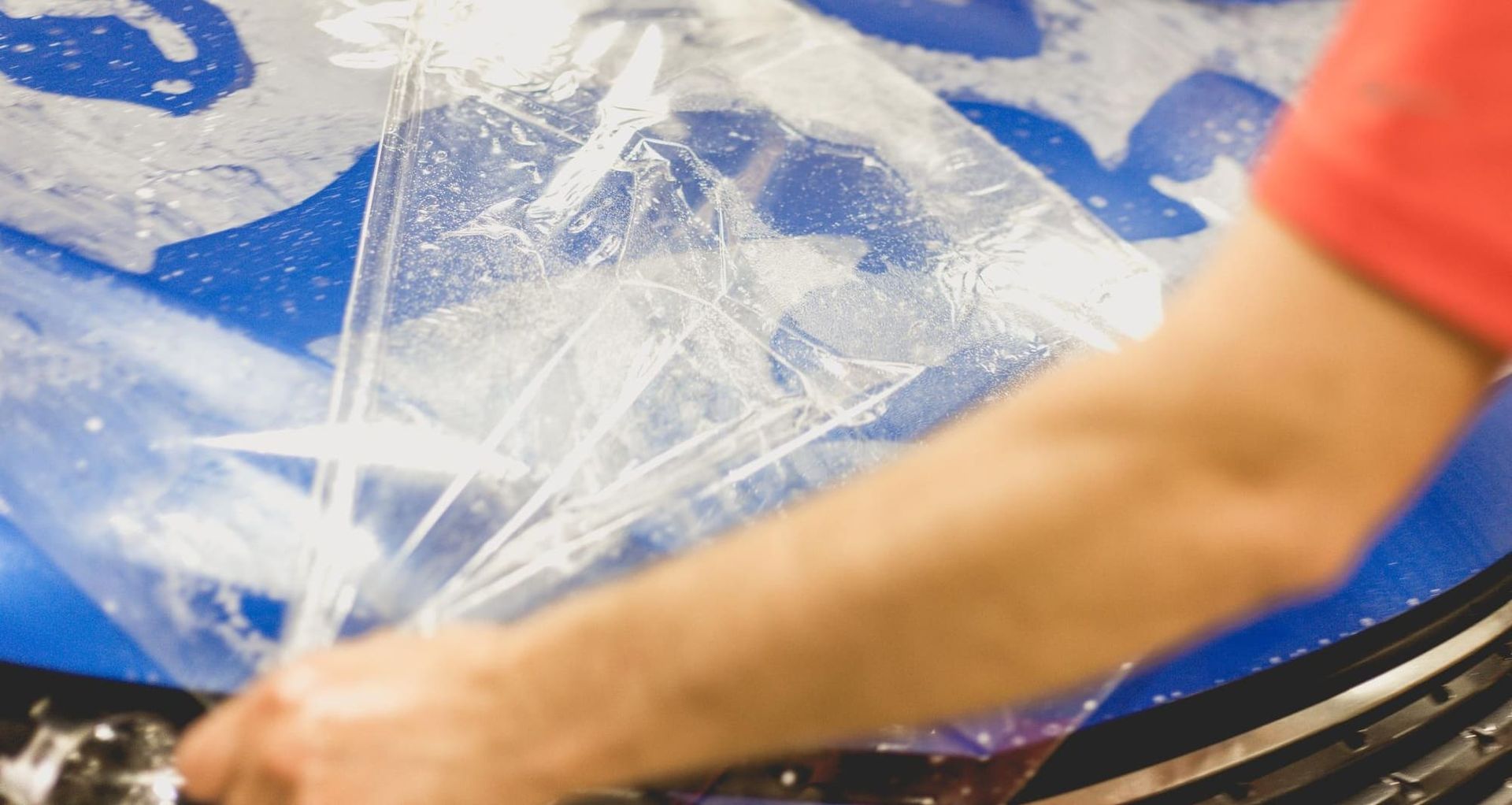
Safety film for windows is a clear, thick layer that goes on the inside surface of your glass. It is designed to:
- Help hold broken glass pieces together
- Reduce glass spray into your rooms
- Add support to existing glass during wind and pressure
It does not stop every impact, and it will not turn old glass into impact glass. Instead, it gives the glass a better chance to stay in the frame longer, even when cracked. That means fewer sharp pieces flying around and more time before a full opening is exposed to wind and rain.
Getting safety film installed before peak storm months is a smart move. It gives the film time to cure, lets you correct any issues before the first big storm, and can offer peace of mind for families and business owners who want their property to be more storm-ready.
Understanding Safety Film Versus Regular Window Tint
Regular tint and safety film might look similar from a distance, but they are built for very different jobs. Most standard tint is designed for looks and comfort. It helps reduce glare, cut heat, and add privacy, especially in cars and sunny rooms.
Safety and security films are thicker and use different constructions and adhesives that focus on impact and tear resistance. When glass breaks, safety film tries to hold pieces together so the whole panel acts more like a single sheet instead of showering down in shards.
Here is how safety film for windows stands apart from typical tint:
- Much thicker film, often made of multiple layers
- Strong adhesives meant to grip glass even when broken
- Designed and tested to resist tearing and penetration
- Can still help block UV and reduce some heat, which is helpful in Florida
Some people think safety film makes glass hurricane-proof. That is not accurate. The film is one part of a system. When it is matched with the right Miami-Dade tested products and installed with the proper anchoring to the frame, the whole system can perform much better under storm pressure than untreated glass.
So the goal is not unbreakable windows. The goal is controlled breakage that keeps the opening covered and safer for as long as possible.
Why Miami-Dade Ratings Matter for Central Florida Homes
When you hear people talk about Miami-Dade approvals, they are talking about products that have been tested under strict hurricane conditions. These tests often include:
- Large missile impact tests, where heavy objects are fired at the glass
- Cyclic pressure tests, which push and pull on the glass and frame to copy strong wind action
Miami-Dade product approvals are seen as a high bar for storm protection systems. Even if your Central Florida county does not require Miami-Dade rated products, using systems that have met those tests can help you feel more confident in your protection.
When you review safety film and attachment systems, look for:
- Film thickness, often listed in mil
- Testing standards like ASTM or ANSI test methods
- A clear Miami-Dade Notice of Acceptance (NOA) for the full system, not just the film
The NOA should list exactly how that film and anchoring were tested: glass type, frame type, and installation method. That is what inspectors and insurance professionals may refer to when they want proof that your setup matches a tested design.
Anchoring Systems That Keep Film and Frames Working Together
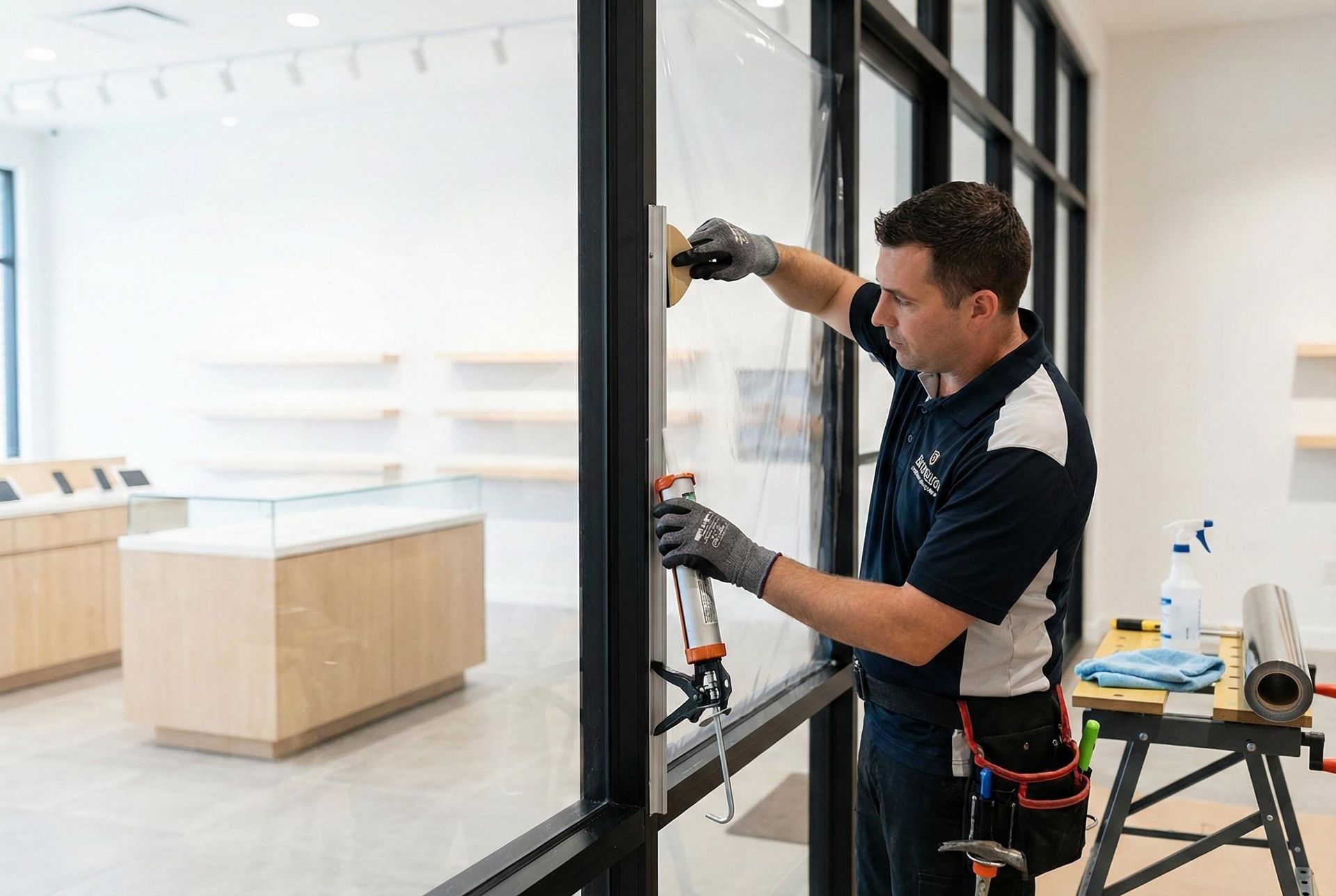
Safety film works best when it is part of a full system, not a stand-alone layer. If the glass breaks and the film holds it together, the next weak link is usually where the glass meets the frame. That is why anchoring systems are so important. They help connect the film on the glass to the window or door frame.
Common anchoring approaches include:
- Structural silicone, a bead of special sealant that bonds the edge of the filmed glass to the frame
- Mechanical retention systems, which use metal or plastic profiles that clamp the filmed glass to the frame
- Attachment profiles often seen on commercial storefronts and large glass walls
Each frame type behaves differently under pressure. Aluminum frames, vinyl frames, and wood frames all flex and hold glass in their own ways. A professional installer will look at:
- Frame material and shape
- Glass size and thickness
- How the frame is anchored to the wall
- Signs of corrosion, gaps, or past repairs
From there, they can suggest the anchoring setup that best supports both hurricane and security goals. The aim is to help the filmed glass and frame act like a single unit during strong wind and debris impact.
Inspection-Ready Installations for Homes and Businesses
Some homeowners and business owners want their safety film installation to stand up to review from code officials, insurance inspectors, or private risk assessors. Good prep and careful work can make those visits go much more smoothly.
A thorough professional installation usually includes:
- Deep cleaning of glass and frame surfaces before film is applied
- Full and even film coverage with consistent edges
- Correct curing time before stress is placed on the film
- Clear documentation of products, film type, and anchoring method
Inspectors or insurance reps may also look for visible labeling and paperwork that matches what is installed. It can help to keep a hurricane readiness file with items like:
- Film product data sheets and thickness information
- Miami-Dade approvals or other test reports for the full system
- Installer credentials, warranties, and care instructions
- date-stamped before and after photos of each treated opening
Having this ready can support claims, help answer inspection questions, and show that your property was prepared ahead of time.
Your Pre-Season Window Security Game Plan
Spring is a smart time to think through your glass and put a simple plan in place before storms stack up. You do not need to become a construction expert; you just need a clear list and a trusted professional to help.
Start with a quick walkthrough and note:
- Large glass sliders and patio doors
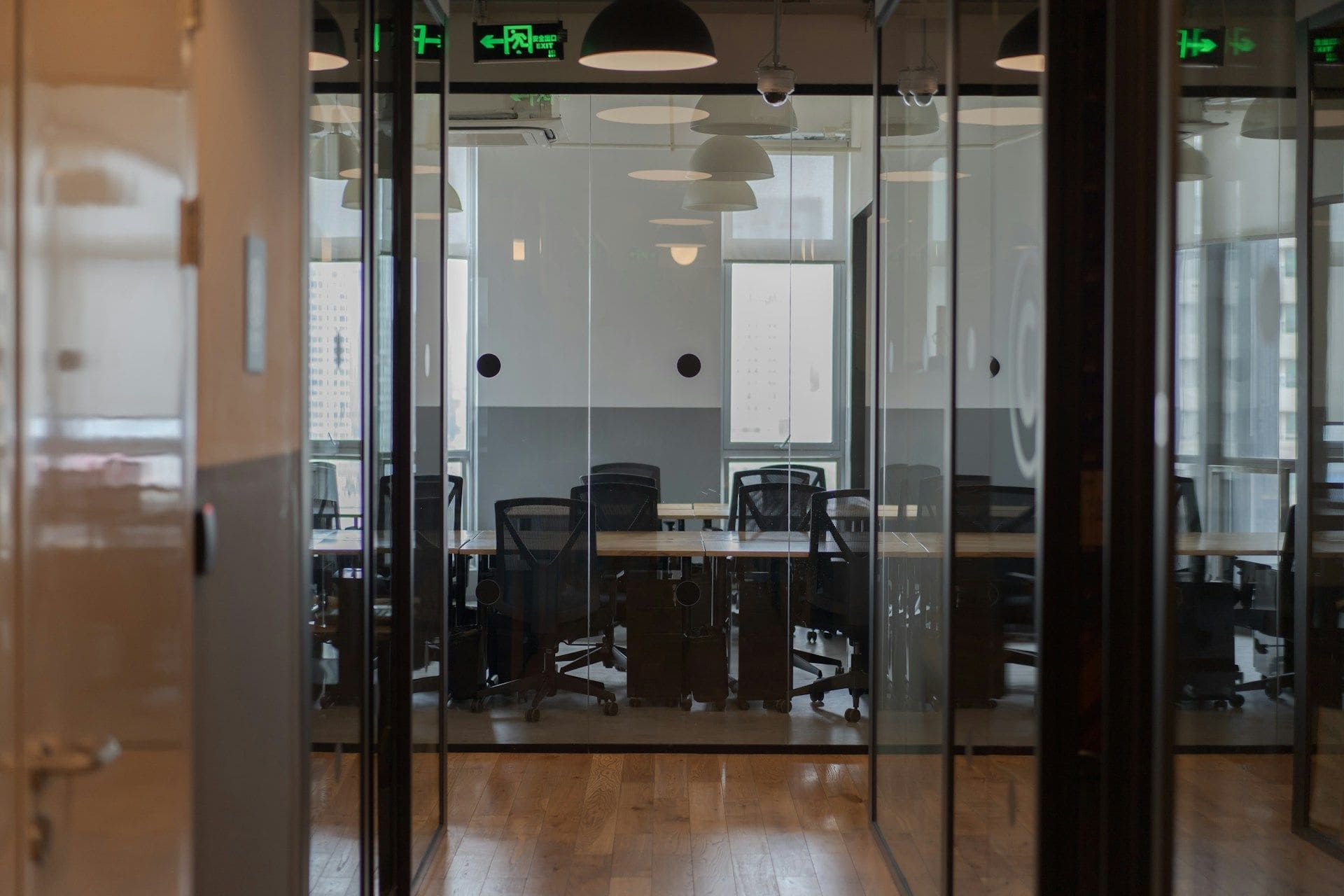
- Big storefront windows and glass entry doors
- Tall sidelights next to doors or in stairwells
- Rooms or areas that must stay secure and dry after a storm, like offices, bedrooms, or storage areas
- Any cracks, chips, loose frames, or existing film that is peeling
Once you know your weak spots, you can work with a window film expert to review your glass, talk through Miami-Dade tested options, and match the right safety film and anchoring system to each opening.
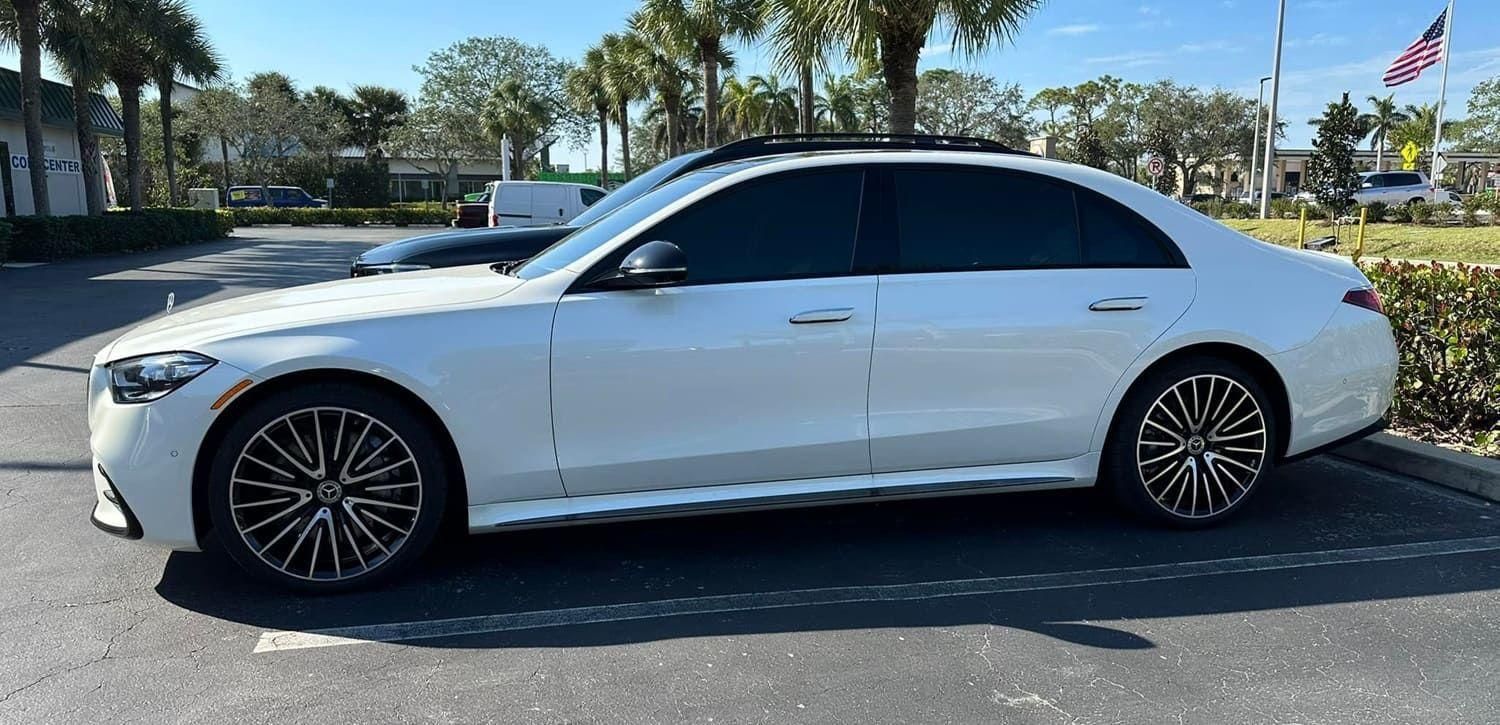
At Velocity Window Tinting in Sanford, we work with auto, residential, and commercial glass all across Central Florida, and we see firsthand how prepared windows make a difference when storms come through. A careful plan, the right safety film for windows, and proper anchoring can turn your glass from a worry into a much stronger part of your hurricane checklist.
Protect Your Home With Trusted Window Safety Solutions
If you are ready to make your glass stronger and your space more secure, we are here to help you choose the right
safety film for windows that fits your needs. At
Velocity Window Tinting, we take time to understand your property, your concerns, and your budget before recommending a solution.
Reach out today so we can schedule a convenient time to review your windows and provide a clear, detailed plan to improve your safety and peace of mind.