Ask These Questions Before Choosing Ceramic Window Tint
Ask Smarter Questions for Cooler, Safer Driving
Ceramic window tint is one of the best upgrades you can make if you drive in Central Florida heat. Our sun is strong, the humidity is high, and those bright afternoons can turn your car into a rolling oven fast. Good tint is not a luxury here, it is a comfort and safety tool.
Not all ceramic tint or tint shops are the same, though. Some films are just darker, not better. Some installers rush the job, which can lead to bubbles, gaps, or peeling. That is why the questions you ask before you book matter just as much as the shade you pick.
In this guide, we will walk through smart questions you can bring to any tint shop. These questions help you avoid cheap dyed films, weak heat rejection, blurry windows, and warranty headaches later. We work with drivers around Sanford every day who want cooler cabins, UV protection, and a clean, stylish look that actually lasts, and these are the same questions we would ask for our own cars.
Ask them before you schedule, and you will be much more likely to get what you really want: a cooler car in summer, better skin and interior protection, and a clear view on bright or rainy days.
What Makes Ceramic Window Tint Different From Cheaper Films
Ceramic window tint is not just regular tint with a fancy name. It uses nano-ceramic technology inside the film to block heat, glare, and UV rays without using metal. Because it is non-metallic, it does not mess with electronics in your car like GPS, keyless entry, phones, or toll transponders.
Cheaper films are usually dyed or metallic. Dyed films mainly add color, so they can look dark at first but tend to fade and lose performance over time. Metallic films can reject heat well, but the metal layer can interfere with signals and cause annoying glitches with your tech.
Here are smart questions to ask any shop about the film itself:
- Is this a true ceramic film, or a dyed or “ceramic infused” film?
- Can you show me a heat lamp or infrared demo so I can feel the difference?
- Can I see a spec sheet for this exact film line?
On that spec sheet or sample board, look for:
- Total Solar Energy Rejected (TSER) for overall heat rejection
- Infrared Rejection (IR) for how well it blocks the heat you actually feel
- UV rejection, which should be listed at 99 percent or higher
As the days get longer and the Florida sun sits higher, those numbers are not just technical terms. They are what decide how hot your seats get, how hard your AC has to work, and how comfortable you feel in traffic.
How Dark Can I Legally Go in Florida?
Before you pick a shade, you need to think about Florida tint laws. Tint rules are written around visible light transmission, often called VLT. This is the amount of light that is allowed to pass through the glass and film together.
Florida has different rules for front side windows, rear side windows, and the back window. Laws can change, so always ask the shop to confirm the current rules and make sure they understand how they apply to your specific vehicle.
Ask questions like:
- What shade options keep my car legal in Florida?
- Will this ceramic window tint pass inspection or law enforcement checks?
- Do you provide documentation or a film sticker for proof of compliance?
Ceramic tint shines here, because performance is not just about darkness. A lighter ceramic shade can block more heat than a very dark cheap film. That means you can stay legal, keep good visibility, and still get real heat reduction.
A quality shop will also talk about safety and visibility, not just what looks cool. They should warn you away from shades that are too dark at night or during heavy rain, even if they might be close to legal. Staying within the law can also make things smoother with insurance, inspections, and future resale or trade-in.
How Do I Know the Tint and Installation Will Last?
Good ceramic film should look great and perform well for a long time. That depends on both the product and the installer. It is worth slowing down and asking a few detailed questions before you commit.
Ask about the product itself:
- What brand and specific line of ceramic window tint are you installing?
- Is there a manufacturer-backed warranty, and what does it cover?
- Is the warranty transferable if I sell the car?
Shops that work closely with major film brands usually have access to better products and clear written warranties for bubbling, peeling, color change, or adhesive issues. That gives you someone to turn to if something goes wrong years down the road.
Then ask about installer quality:
- Are your technicians trained or certified on this film brand?
- How do you prep the glass to keep dirt and dust out from under the film?
- Do you hand trim on the glass or use patterns for my vehicle?
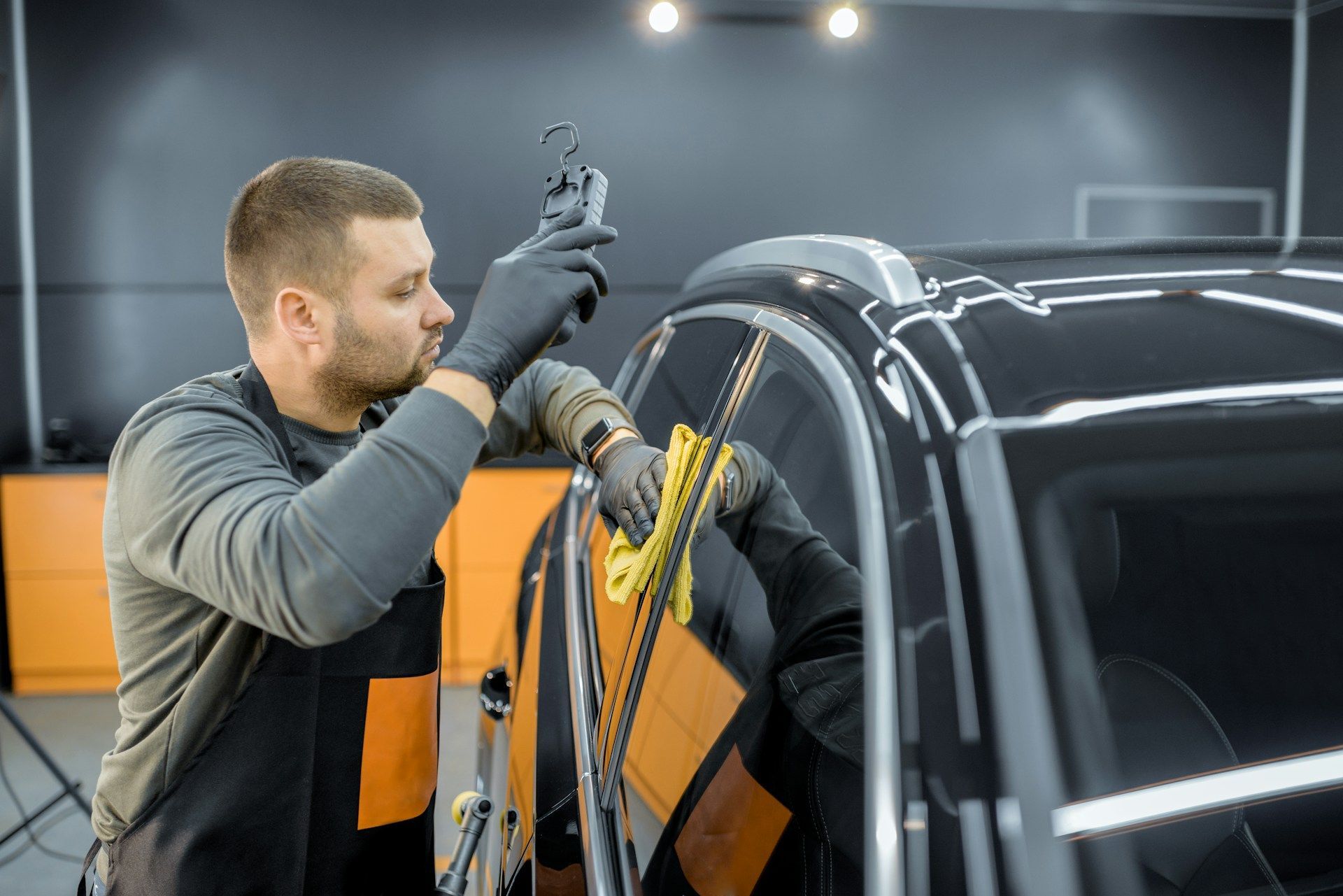
A professional installer will also set real expectations. After your car is tinted, you may see light haziness or small moisture pockets while the film cures. That can be normal. The shop should explain how long curing usually takes, what you might see while it dries, and what signs mean you should bring the car back for a look.
What Will My Experience Be Like After Installation?
Once the tint is on, your daily driving experience is what really matters. Heat, glare, and comfort all show up in real traffic, not just in a showroom.
Ask your installer:
- How much cooler should my car feel once this tint is fully cured?
- What can I expect in direct midday sun or stop-and-go traffic?
You also want clear care instructions, so the film stays in good shape:
- How long before I can roll my windows down?
- When is it safe to clean the glass, and what cleaners and towels are best?
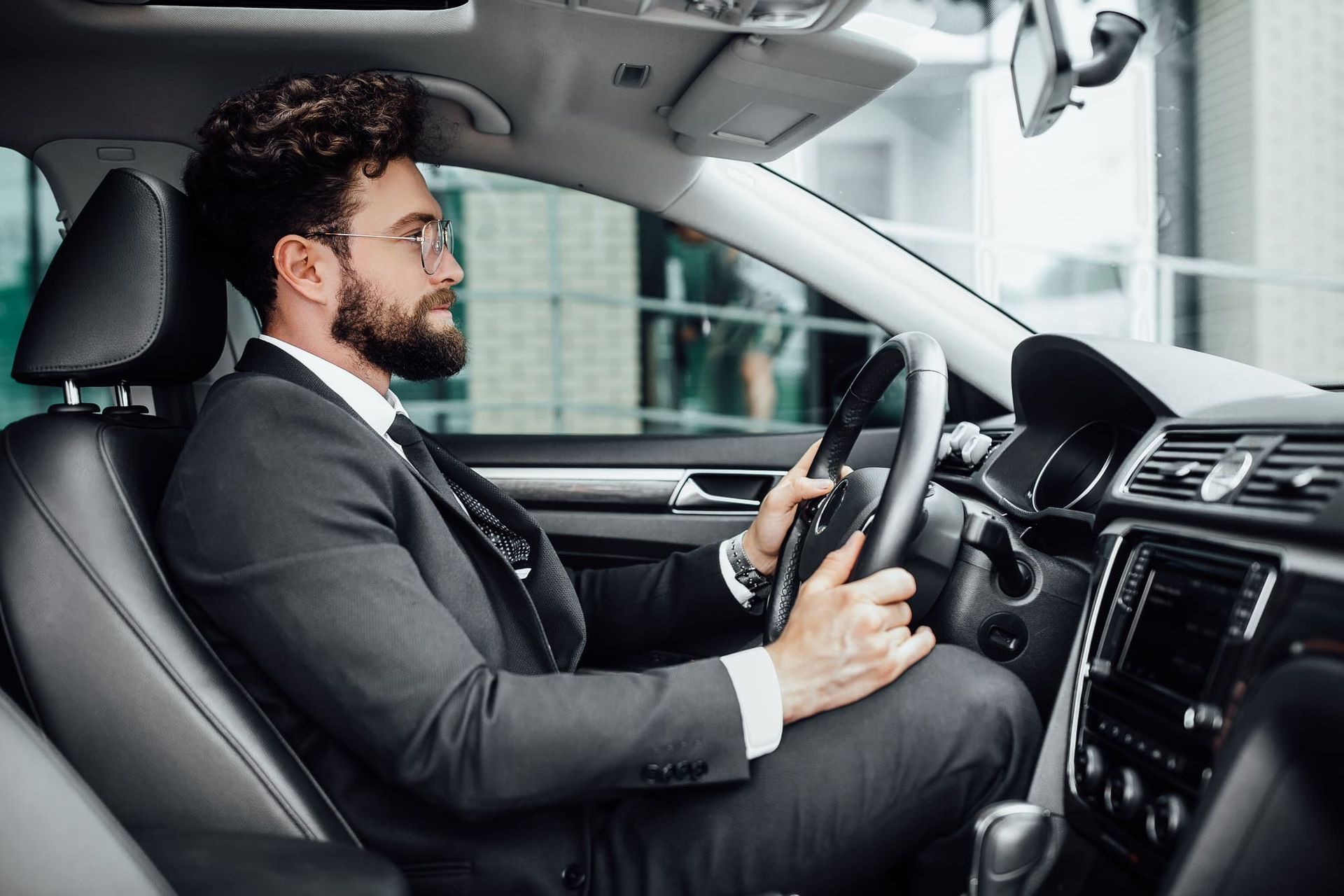
Ceramic tint can cut harsh glare from low sun and bright headlights, which helps your eyes relax on longer drives. The right shade choice keeps that benefit while still giving you a clear view in heavy rain and at night, which is important when storms roll through almost every afternoon.
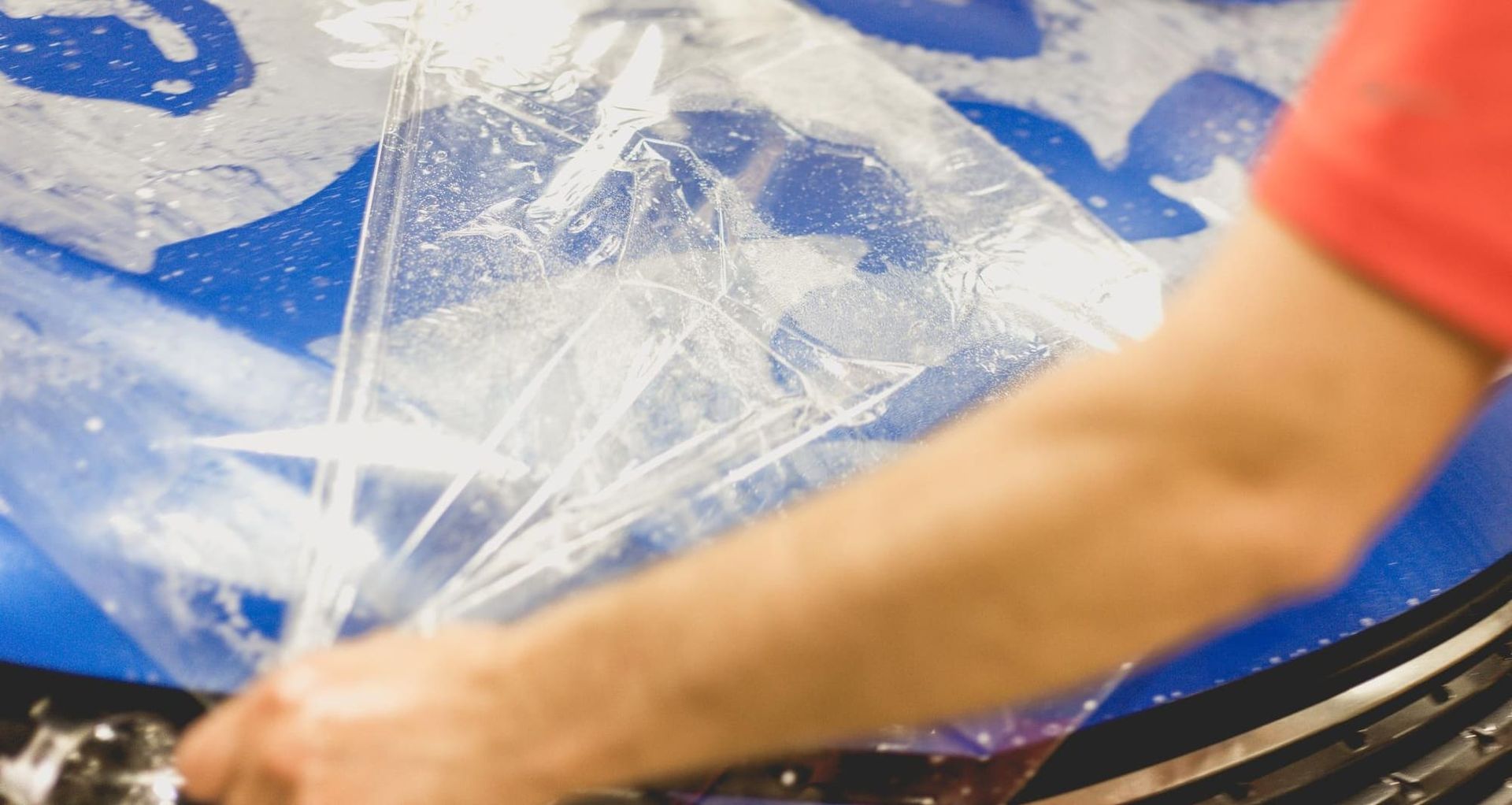
If your tint shop has demo windows or staff vehicles with different shades, ask to compare them in person. Seeing the difference on real glass is often easier than guessing from a chart. You can also ask about pairing your ceramic tint with paint protection film on high-impact areas like the front bumper and hood to help shield against lovebugs, road grit, and strong sun.
Ready for the Heat? Turn Smart Questions Into Cooler Rides
In the end, the coolest, safest ride comes from asking good questions before anyone touches your windows. When you know what to ask about film type, Florida laws, warranties, and installer skill, you can separate real ceramic window tint from cheap look-alikes fast.
If you are in or around Sanford, our team at Velocity Window Tinting uses these same questions every day to guide drivers to the right setup for their cars. By checking performance specs, legal shades, warranty details, and install methods up front, you give yourself the best chance at a cooler cabin, protected skin and interiors, and tint that keeps looking sharp season after season.
Get Started With Your Project Today
If you are ready to improve comfort, privacy, and energy efficiency in your building, we are here to help you choose the right
ceramic window tint solution. At
Velocity Window Tinting, we listen to your goals and tailor our recommendations to match your space and budget.
Reach out to our team so we can review your project details, walk you through options, and provide a clear, no-pressure quote.