Summer Glare Solutions for Florida Homes with Window Tint
Keep Harsh Summer Glare Out of Your Florida Home
Florida sun is no joke. By the time spring break has passed, many homes are already dealing with blinding glare across floors, hot spots by the windows, and AC systems that seem to run all day. The light looks beautiful, but it can also make rooms harder to enjoy and can be rough on your eyes and your home.
Window tint offers a simple way to calm all that brightness without turning your home into a cave. With the right film, you can cut the harsh glare, keep rooms cooler, and help protect your furniture and floors, all while keeping your views and natural daylight. It is a small change on the glass that can make a big difference in how your home feels.
If you are starting to search for “residential window tinting” before the long summer days arrive, you are on the right track. This guide will walk through how glare affects your home, why tint is different from heavy window coverings, and what to look for when you choose film for Florida sun.
How Summer Glare Silently Damages Your Home
Glare is more than just a quick flash of brightness when the sun hits the glass at the wrong angle. In many Florida homes, it hits the same rooms at the same time every single day. That steady blast can make late afternoons uncomfortable.
Daily glare can lead to:
- Eye strain when you are working on a laptop or reading
- Washed out TV screens and reflections on tablets and phones
- “Too hot” areas by large sliders or picture windows
Some homeowners end up avoiding whole rooms during certain hours. You might keep blinds closed in a living room with big windows or only sit on one side of the dining table to get away from the bright spots. Over time, that limits how you use the space you pay to cool.
Glare often comes along with UV and infrared light. Those parts of sunlight can:
- Fade hardwood floors, rugs, and upholstery
- Dull artwork and decor along sunny walls
- Heat up rooms faster and keep them warmer into the evening
When the sun heats your rooms, your HVAC system has to work harder to keep things comfortable. That extra work can show up in higher energy bills and more wear on your AC. In homes with lots of glass, large sliders, or sun-facing rooms, the impact tends to be even stronger.
All of this adds up to a lower quality of life inside your home. You may love your windows for the views and light, but the side effects of glare and heat can make the space less enjoyable, especially as the days get longer.
Why Window Tint Is a Smart Alternative to Heavy Shades
Many people fight glare with heavy curtains, blackout drapes, or thick blinds. These help with brightness, but they can also make rooms feel closed in. You lose the view, you block the daylight, and you have to open and close them over and over.
Traditional options often mean:
- Dark rooms in the middle of a bright day
- Less connection to outdoor views and landscaping
- Constant adjusting as the sun moves
Residential window tint works differently. Instead of blocking your windows, it upgrades them. Quality films are thin layers applied to the inside of the glass. Once in place, they help reduce glare, UV rays, and solar heat while still letting soft, natural light in.
With good tint on your windows, you can:
- Keep enjoying your view without squinting
- Cut the bright, sharp reflections on screens
- Help protect furniture and finishes from fading
Window film is a one-time installation that works all day, every day. You do not have to remember to pull it up or down. It also pairs well with the window treatments you already have. Many homeowners keep their blinds or drapes for night privacy or style and let the tint handle the sun during the day. In many cases, it can even be a more practical choice than replacing windows just to deal with glare.
Choosing the Right Tint for Florida’s Summer Sun
Not all window tint is the same, and Florida sun is strong, so it helps to know what to look for. When you are picking film for your home, focus on three main performance features:
- Glare reduction for more comfortable eyes and clearer screens
- Strong UV blocking to help protect interiors from fading
- Good solar heat rejection to help keep rooms cooler
Different film types get there in different ways. Here is a simple breakdown in plain language:
- Dyed films: Help cut glare and add a bit of shading, usually at a lower cost, but may not block as much heat.
- Metalized films: Use tiny metal layers to reflect heat and glare, can be very effective but sometimes have a more reflective look.
- Ceramic films: Use advanced ceramic layers to block heat and UV while staying clear and low-reflective.
- Spectrally selective films: Designed to let in comfortable visible light while targeting the parts of the sun that cause heat and fading.
Premium options, like many LLumar films, are made to balance clarity, performance, and style. That means you can get strong glare and heat control without your windows looking mirrored or dark.
Style and privacy also matter. Common choices include:
- Darker films for rooms with intense glare, like west-facing sliders or bonus rooms
- Lighter, neutral films for main living spaces where you want a natural look
- Decorative or frosted films for bathrooms or entry doors where privacy is key
Most films can work with common residential glass, but it is important to have a professional check your windows first. They can confirm which products are a good match for your specific glass type and layout.
Finding Reliable Residential Window Tinting
Once you decide that tint might be right for your home, the next step is choosing who installs it. A trusted local installer who understands Florida sun, local neighborhoods, and common home designs can make the process much easier.
When you search for “residential window tinting,” it helps to look for:
- Clear information about experience with homes, not just vehicles
- Access to quality film brands with solid warranties
- Willingness to show samples on your actual windows
- Written estimates that explain film options and what is included
A good installer will also be familiar with HOA and community style expectations. That way, your tint can look great and still fit neighborhood guidelines.
With Velocity Window Tinting, the process is straightforward. A typical residential project starts with a visit to your home, where we:
- Talk through your glare and heat issues room by room
- Show film samples so you can see how they look in your light
- Recommend specific options for performance and style
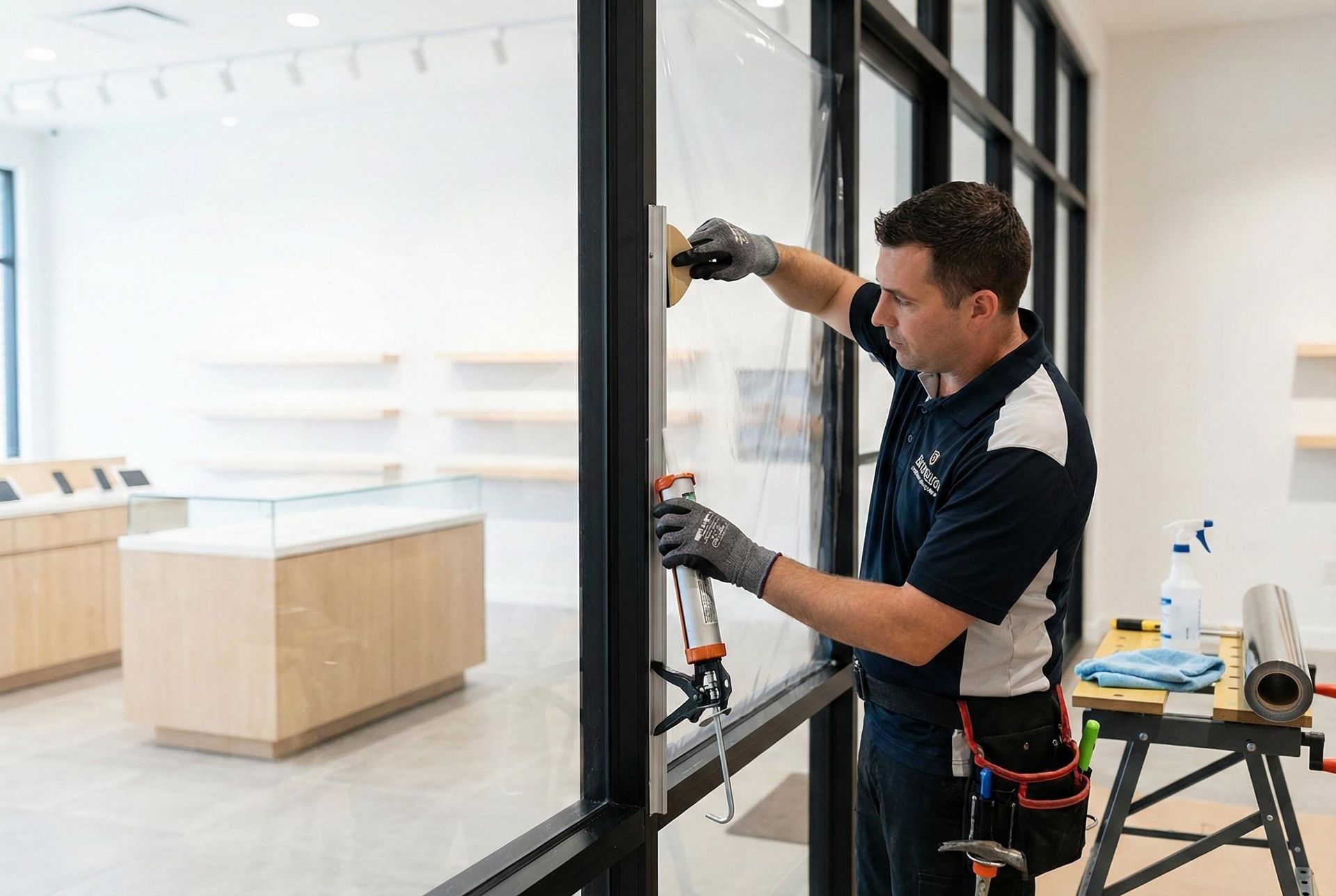
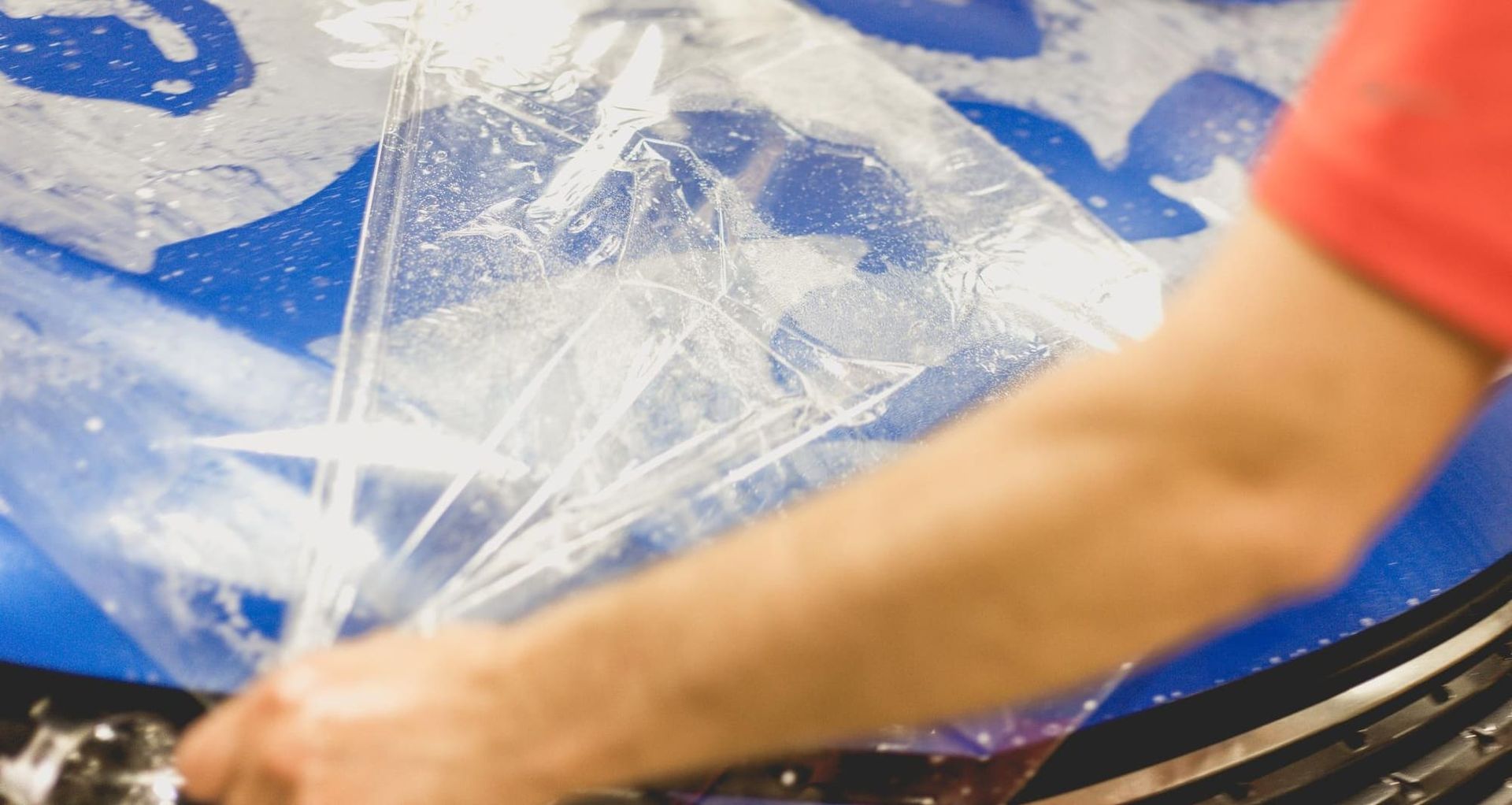
On installation day, our team protects nearby furniture and floors, cleans the glass, applies the film, and then squeegees out excess solution. Once the film is in place, it needs a little time to dry and clear up fully. After cleanup, you are left with windows that look almost unchanged at a glance, but feel much more comfortable when the sun hits.
Enjoy a Cooler, Clearer Summer at Home Starting Now
As the days get longer and the sun sits higher, glare and heat will only grow stronger on your glass. Taking care of it early means you get more comfortable rooms, clearer TV and device screens, and extra peace of mind about your floors and furnishings before peak sunshine arrives.
We help homeowners in Sanford and across Central Florida cut glare and calm hot spots with professional residential window tinting. If you are starting to search for “residential window tinting” and want expert guidance on the best film for your home, our team at Velocity Window Tinting is ready to help you enjoy a cooler, clearer summer indoors.
Upgrade Your Home Comfort With Professional Window Tinting Today
If you are searching for
residential window tinting, our team at Velocity Window Tinting is ready to help you improve comfort, privacy, and energy efficiency in every room. We take the time to understand your home, recommend the right film, and complete your project with careful, clean installation. Get your free, no-obligation estimate today so we can start protecting your interiors and lowering heat and glare as soon as possible.