Window Tinting Myths Florida Drivers Should Stop Believing
Florida Heat Is Brutal, Your Tint Facts Should Not Be
Window tint is not just about looks in Central Florida. When the sun is high and the AC is working hard, the right tint can make a big difference in how your car feels and how well your interior holds up over time.
As we move through April and into longer, brighter days, a lot of drivers around Sanford and Orlando start thinking about fresh tint before summer road trips and theme park runs. At the same time, there is a lot of bad information out there. People hear things from social media, car forums, or a friend of a friend who tints in a driveway, and they end up confused or misled.
We work with ceramic window tint every day, and we see how these myths cost drivers comfort, money, and sometimes tickets. So let us clear up some of the biggest tint myths we hear from Florida drivers and share real, Florida-focused facts that help you choose smart, long-lasting protection for your vehicle.
Myth: Any Dark Tint Will Keep My Car Cooler
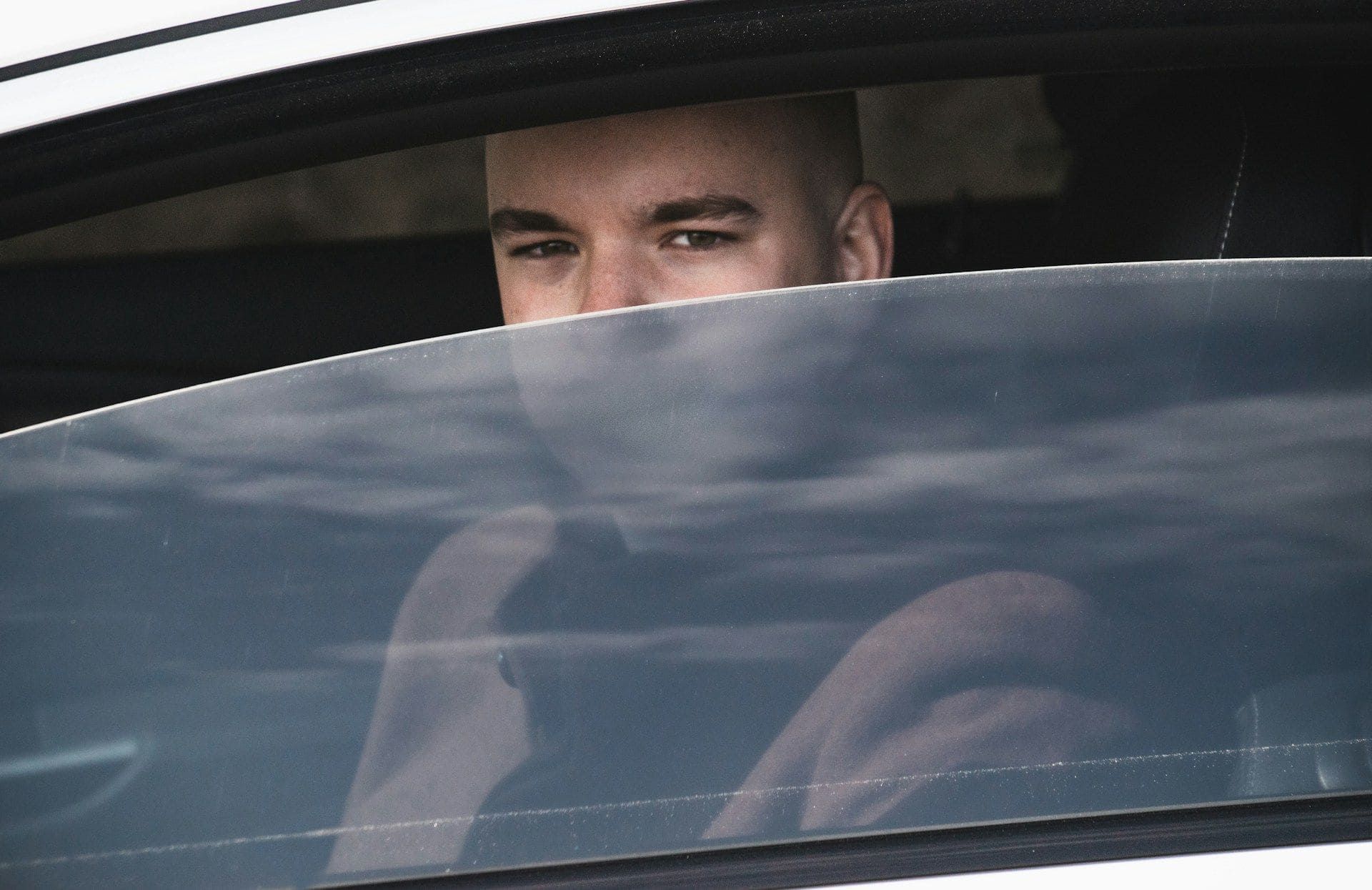
A dark window does not always mean a cool car. The shade you see is called visible light transmission, or VLT. That is how light or dark the tint looks. Heat rejection is something different, and this is where a lot of people get tricked.
Here is the problem: a dark, cheap film can still let a lot of infrared heat into your car. That means you may have:
- Seats that still feel hot when you sit down
- A steering wheel you do not want to touch
- AC turned up high just to feel okay
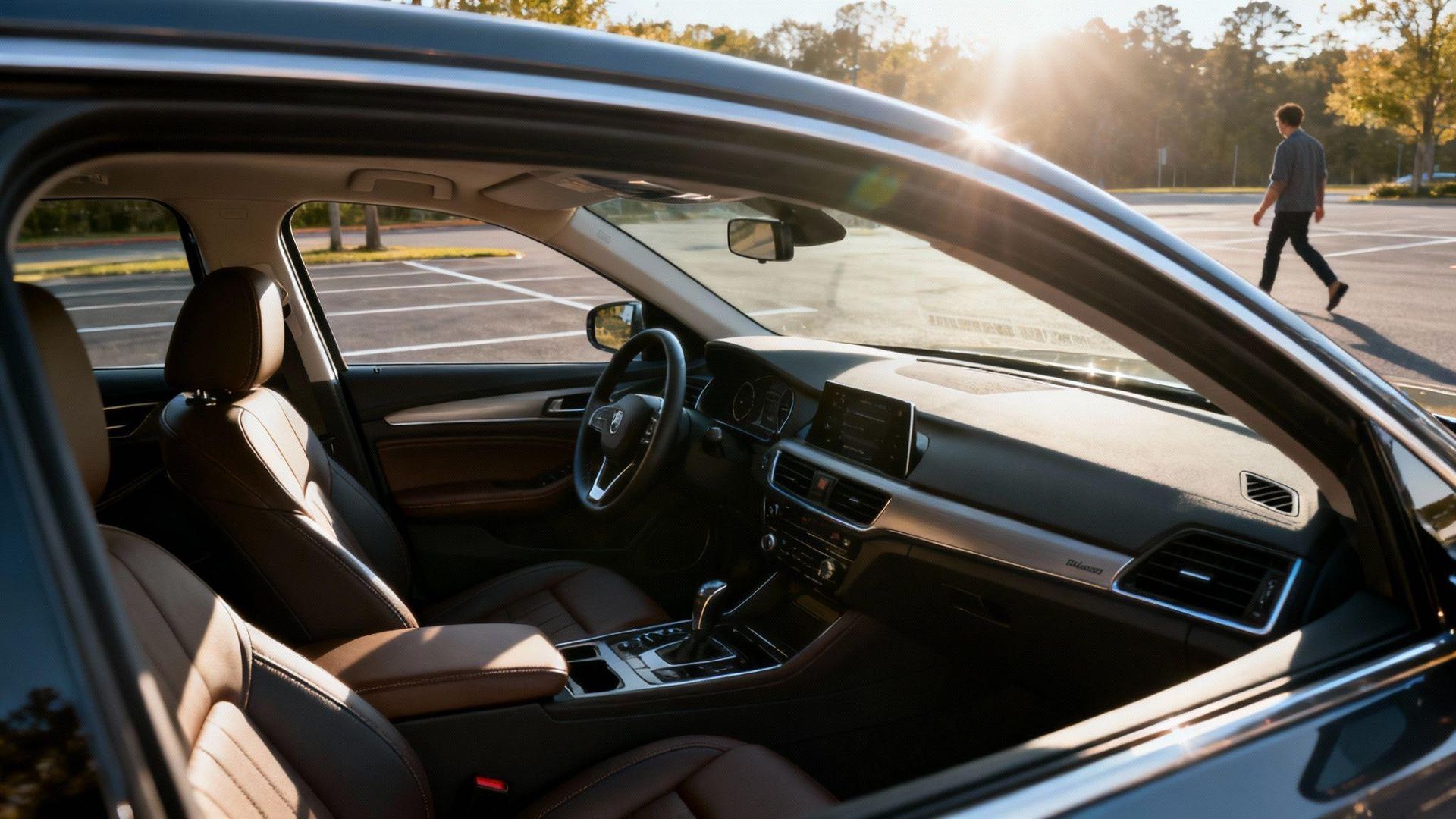
High-quality ceramic window tint is built to block heat you cannot see, not just darken the glass. Ceramic tint can reject a large amount of infrared heat and UV, even in shades that are not super dark. That is very helpful in Florida because tint laws limit how dark you can go, especially on your front windows.
When you count on shade alone, you end up with:
- Hot interiors after work or school
- Faded dashboards and cracked trim over time
- Long, sticky family trips when traffic slows on I-4 or 417
Picking tint based only on how dark it looks is like choosing sunglasses only by color, without caring if they actually block UV. The right ceramic film focuses on performance first, so you feel the difference when you open the door, not just when you look at the glass.
Myth: Ceramic Window Tint Is Just Marketing Hype
Some people hear the word ceramic and think it is just a fancy label. It is not. Ceramic window tint uses tiny, non-metal particles that are built into the film. This is very different from older dyed or metalized films.
Here is how they compare in simple terms:
- Dyed films: Mostly change the look, often fade faster, and do less for heat
- Metalized films: Help more with heat, but can interfere with GPS, cell, and radio signals
- Ceramic films: Focus on heat and UV rejection, keep better clarity, stay friendly with signals
Good ceramic window tint gives Florida drivers some everyday benefits they can actually feel, like:
- Cooler cabins when they first open the door
- Less need to blast the AC on high all the time
- Reduced glare on bright highways and surface streets
- Better protection for leather, vinyl, and screens from sun damage
There is also a myth that all ceramic tint is the same. That is not true either. Professional-grade brands are tested for real performance. Shops that work with quality films and install them every day bring experience, tools, and product knowledge that backyard setups simply do not.
Myth: Florida Tint Laws Are Loosely Enforced
Another common myth is that Florida tint laws are not a big deal and that you can just go as dark as you want. The truth is, the state has clear rules about how much light must pass through front, rear, and windshield glass. These rules vary between cars and SUVs, and they are written to balance comfort and safety.
Enforcement can feel random, but it often ramps up when more people are on the road, like during spring and summer travel times, holiday weekends, or big events. If your tint is illegal, you risk:
- Tickets or warnings from law enforcement
- Being asked to remove and redo your tint
- Struggling with night visibility if your front windows are too dark
Unlicensed or side-hustle installs sometimes skip the legal stuff to give ultradark results. They might not measure VLT correctly, and they may layer films in a way that looks okay at first but fails later.
A professional tint shop uses tools to measure how much light your glass lets in, then matches you with the right ceramic window tint so your front, rear, and back glass work together within Florida rules. Proper paperwork also helps if questions ever come up.
Myth: Dealer or DIY Tint Is “Good Enough”
Factory or dealer-added tint might sound simple. So do DIY tint kits on a shelf. But when it comes to long-term comfort and appearance in Florida sun, “good enough” often turns into “good for a year or two.”
Mass installs and DIY often run into issues like:
- Peeling or lifting along the edges of windows
- Bubbles that never quite go away
- Gaps around sensors, third brake lights, or defroster lines
- Hazy films that make it harder to see, especially at night
Cheaper tint also tends to fade, turn purple, or get cloudy when it bakes in heat day after day. That means you end up paying twice: once for the quick fix, and again to remove and replace it with something better.
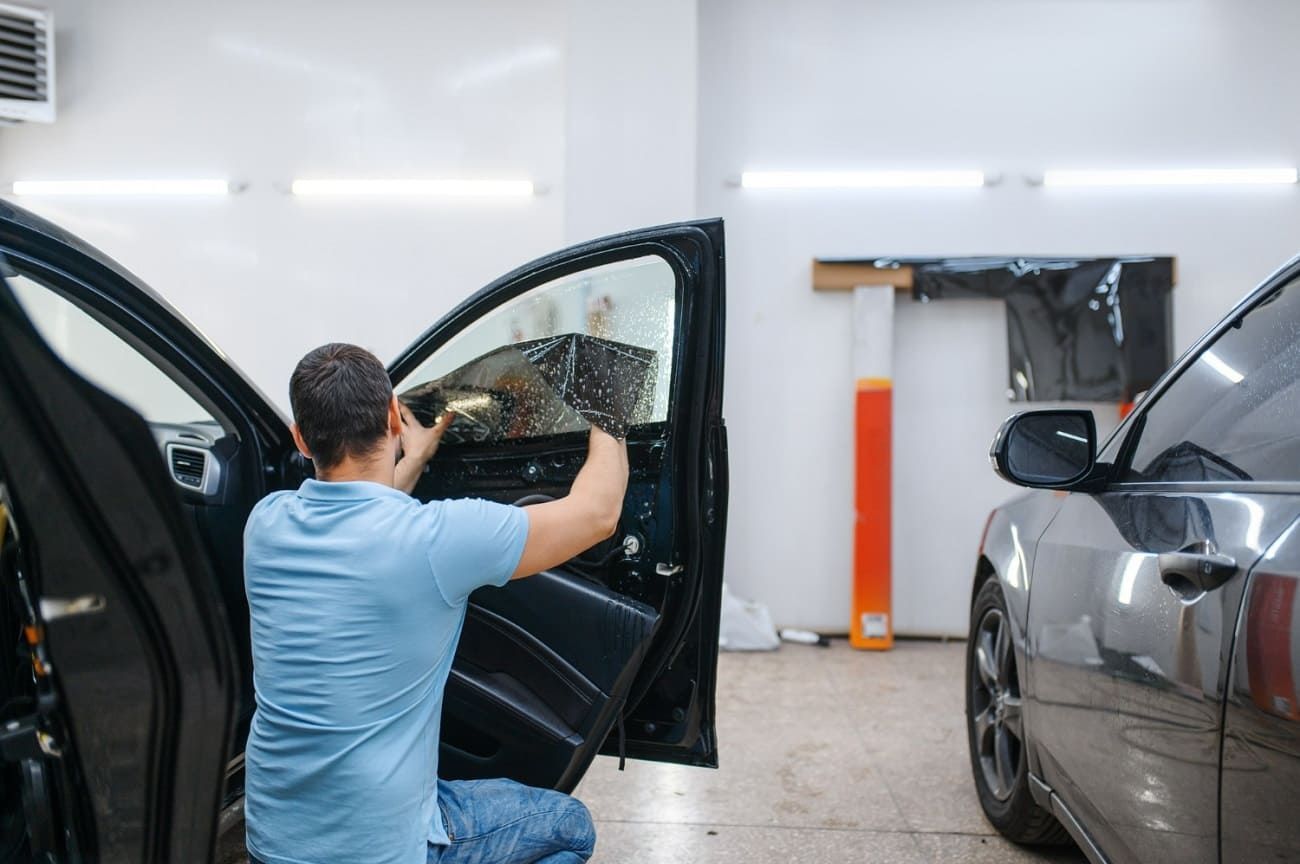
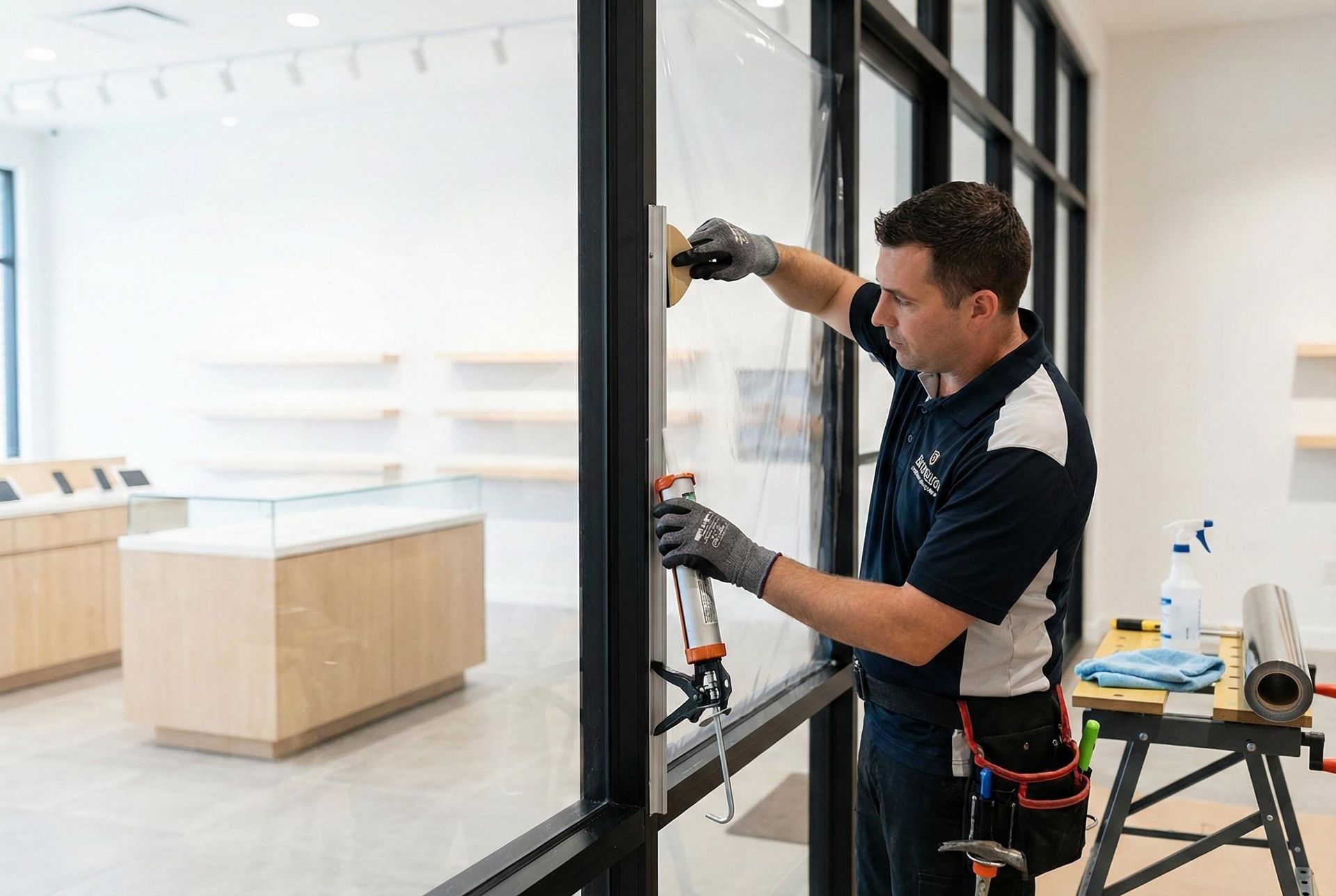
A dedicated tint shop works in a clean, controlled area. Patterns can be plotter cut to match your exact year and model, which lets the film sit tight against edges and around curves. When you pair that with quality ceramic window tint, you protect your interior, help your AC out, and keep the car looking sharp for longer.
Myth: Paint Protection Film Is Only for Show Cars
Paint protection film, also called clear bra or PPF, often gets labeled as something only high-end or show cars need. In Central Florida, it can help any daily driver.
Local drivers deal with:
- Lovebug season along highways
- Loose rocks and debris from road work
- Sudden rain that throws sand and grit up at your paint
PPF is a clear film that goes over the most exposed parts of your vehicle, like front bumpers, hoods, fenders, and mirrors. It helps shield against chips, stains, and small damage that build up over time and make a car look older than it really is.
Tint and PPF work well together. Tint helps with heat, glare, and UV inside the car. PPF focuses on the outside, where your paint takes hits every day. Before long drives, beach trips, or theme park weekends, adding protection can keep your car looking cleaner and newer for longer.
Get Sun-Ready with Facts, Not Myths
Believing the wrong window tint myths can leave you with a car that still feels hot, windows that are not legal, film that fails early, and paint that wears faster than it should. When you focus on performance instead of darkness, ceramic window tint instead of bargain dye, and professional installs instead of shortcuts, you feel the difference every time you get behind the wheel.
As daylight stretches and your calendar fills with drives across Sanford, Orlando, and the rest of Central Florida, it is a smart time to look at your current tint and paint protection. If your car still heats up fast, your film is fading, or your front end is covered in rock marks and lovebug stains, that is your sign that your current setup is not doing its job. With the right ceramic window tint and paint protection film, you can enjoy clearer views, cooler rides, and a cleaner-looking car, season after season.
Get Started With Your Project Today
If you are ready to reduce heat, glare, and UV exposure in your building, we are here to help you choose the ideal
ceramic window tint solution. At
Velocity Window Tinting, we take the time to understand your space and recommend films that match your performance and appearance goals.
Reach out to our team so we can walk you through options, pricing, and scheduling that fit your project timeline. Let us help you create a more comfortable, energy-efficient environment with professional installation from start to finish.