Ceramic vs. Traditional Window Film in Florida
Slash Summer Cooling Bills Before the Heat Hits
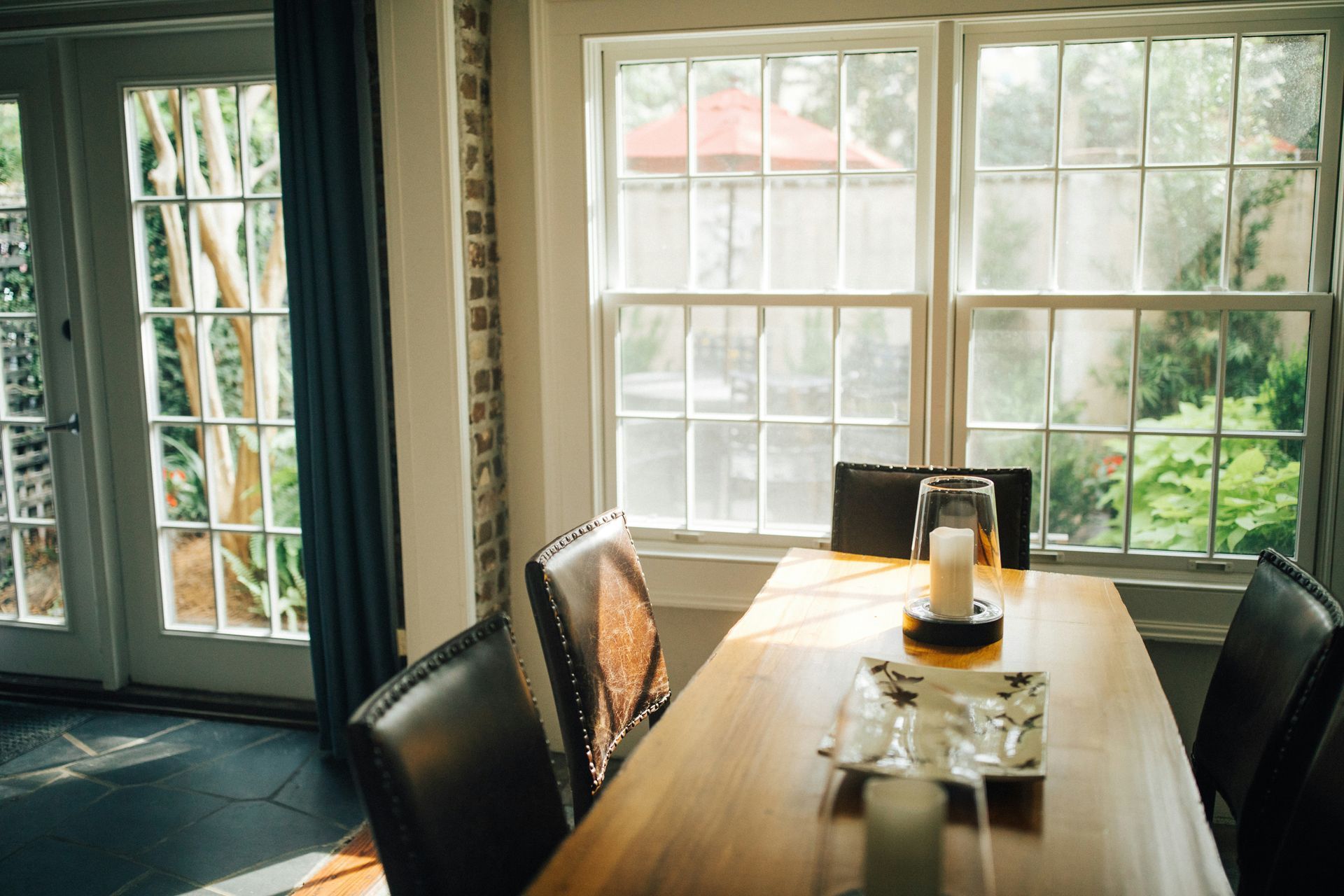
Florida sun can make your house feel like a greenhouse, especially as late May rolls into peak summer. AC runs longer, rooms heat up fast, and it can feel like you are fighting the sun all day. Window glass brings in the light, but it also brings in a lot of heat.
That is where window film comes in. Not all films are the same, though. Older, traditional films do help, but modern ceramic window tint gives a very different level of comfort and energy control. In this article, we will walk through how ceramic compares to traditional film, what that means for real cooling savings, and how payback can look for different home types in Central Florida.
As a local window tinting team in the Sanford area, we see how these choices play out in real homes. The right tint at the right time of year can set you up for cooler rooms and lower bills by the time summer is in full swing.
What Makes Ceramic Window Tint Different
When people say “traditional” window film, they are usually talking about basic dyed film or dyed and metallized film. These products can cut some glare and give some privacy. They darken the glass a bit and block a portion of heat, but they often absorb more heat into the glass itself and can change in appearance over time.
Ceramic window tint uses tiny ceramic particles in the film that are made to handle heat and sun. This type of film is designed to:
- Block a much higher share of the sun’s infrared heat
- Filter out a large amount of UV rays that are harsh on skin and interiors
- Stay clear, not hazy, while still reducing glare
- Avoid the signal issues that can happen with some metallized films
For Florida homes, this matters a lot. Ceramic window tint can keep west- and south-facing rooms more comfortable during the hottest parts of the day. Many homeowners find they can keep blinds and curtains open more often, enjoy natural light, and still avoid that heavy, sticky heat that makes the AC work overtime.
Florida Home Types and Typical Energy Waste Points
Homes across Central Florida may look different from the street, but they share some common “hot zones” where glass lets in the most heat. These areas can throw off the comfort of the entire house and push your AC to cycle on more often.
Here are a few common home types and their usual problem spots:
- Condos and townhomes: sliding glass doors, small balconies, and large living room windows
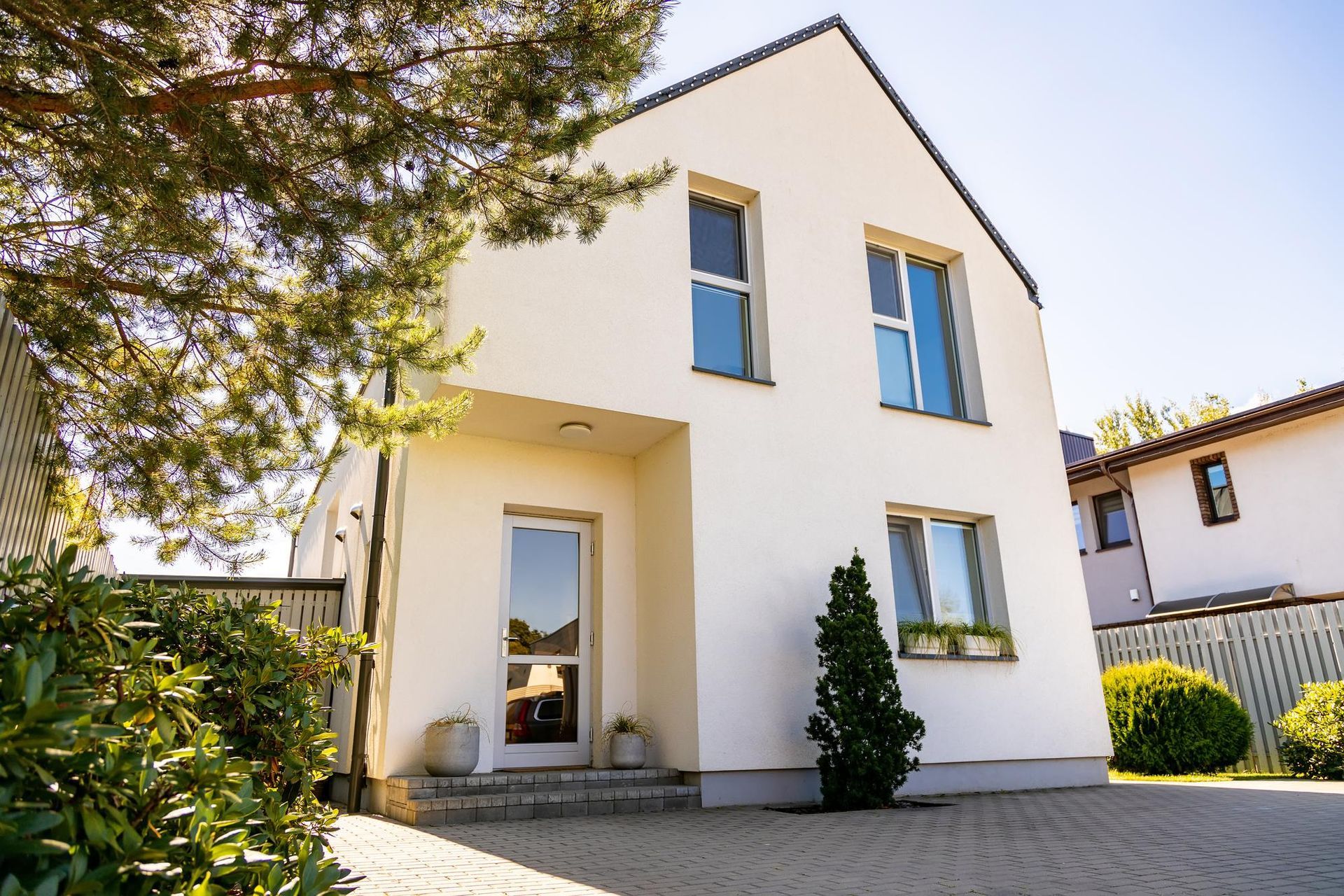
- Mid-size single-family homes: big family room windows, French doors, and breakfast nooks facing west or south
- Large custom or waterfront homes: walls of glass, tall entry windows, sunrooms, and big upstairs windows
In many homes, the toughest areas are:
- Sliding glass doors that bake in the afternoon
- West-facing living rooms and dens
- Upstairs bonus rooms and lofts that collect rising heat
- Sunrooms and enclosed patios that feel unusable at midday
These hot glass areas can cause higher cooling loads, shorter breaks between AC cycles, and big temperature swings from room to room. One space feels chilly while another still feels warm and muggy. Window tint is one of the few upgrades that targets these exact trouble spots directly at the glass.
Real-World Savings and Payback by Home Type
Every home is different, so exact numbers will vary, but we can look at some general patterns. Ceramic window tint usually costs more than basic dyed film, but it also does more to control heat. Over time, that can show up in your power bill.
For a condo or townhome, you might only have a few main areas of glass, like a sliding door, living room windows, and maybe a bedroom window or two. That could add up to a few hundred square feet of glass. With ceramic film, many owners see:
- Noticeable drops in how often the AC kicks on during hot afternoons
- Less need to crank the thermostat lower to feel comfortable
- A payback that can show up over the course of a few summers, especially if the unit had strong afternoon sun
On a typical single-family home, there is usually more glass. Think front windows, back patio doors, and tall living room glass. Addressing the key exposures, especially west and south, can trim cooling use by a meaningful amount during peak season. While traditional film can help, ceramic often brings:
- Bigger comfort gains in the hottest rooms
- A stronger reduction in heat passing through the glass
- A shorter payback time when you look at long-term savings instead of just the upfront cost
Large custom or high-glass homes stand to gain the most in pure comfort and total dollars saved. These homes often have open layouts, tall windows, and wide views of water or woods. That is a lot of glass, and also a lot of heat coming in. Ceramic window tint can be a larger investment up front, but the benefits stack up:
- More even temperatures across big open spaces
- A noticeable drop in how “hot” the house feels during long sunny days
- Long-term ROI that tends to be very strong, since more glass means more area working to block heat
Ceramic vs. Traditional Film Over 5 to 10 Years
Traditional dyed film can look good at first, but harsh Florida sun and humidity are tough on materials. Over several years, some basic films can fade, change color, or lose clarity. Performance can drop as the film ages on the glass.
Ceramic window tint is built to hold up better in this type of climate. Its structure is designed for long-term color stability and consistent performance. Over five to ten years, that can mean:
- A more stable, natural look from the street and inside
- Ongoing glare control and heat rejection, not just in the early years
- Less risk of needing to replace film sooner than you planned
There are also benefits that go beyond energy savings. Ceramic film:
- Cuts glare on TVs and screens, so you can enjoy bright rooms without closing everything up
- Blocks UV rays that can fade floors, furniture, rugs, and artwork
- Helps reduce strain on your AC, which may support better system performance over time
When you factor in comfort, protection of your interiors, and the way a cooler home can feel more appealing to buyers, ceramic film often delivers stronger lifetime ROI than its initial cost suggests.
How Velocity Window Tinting Maximizes Your ROI
Getting the most from ceramic window tint is about more than just picking a product. The glass type, the way your home faces the sun, and how you use each room all matter. A good plan starts with a careful look at your actual windows.
A professional in-home assessment can include:
- Measuring your total glass area
- Checking which windows take the most direct sun and at what times
- Matching specific film options to each exposure and room use
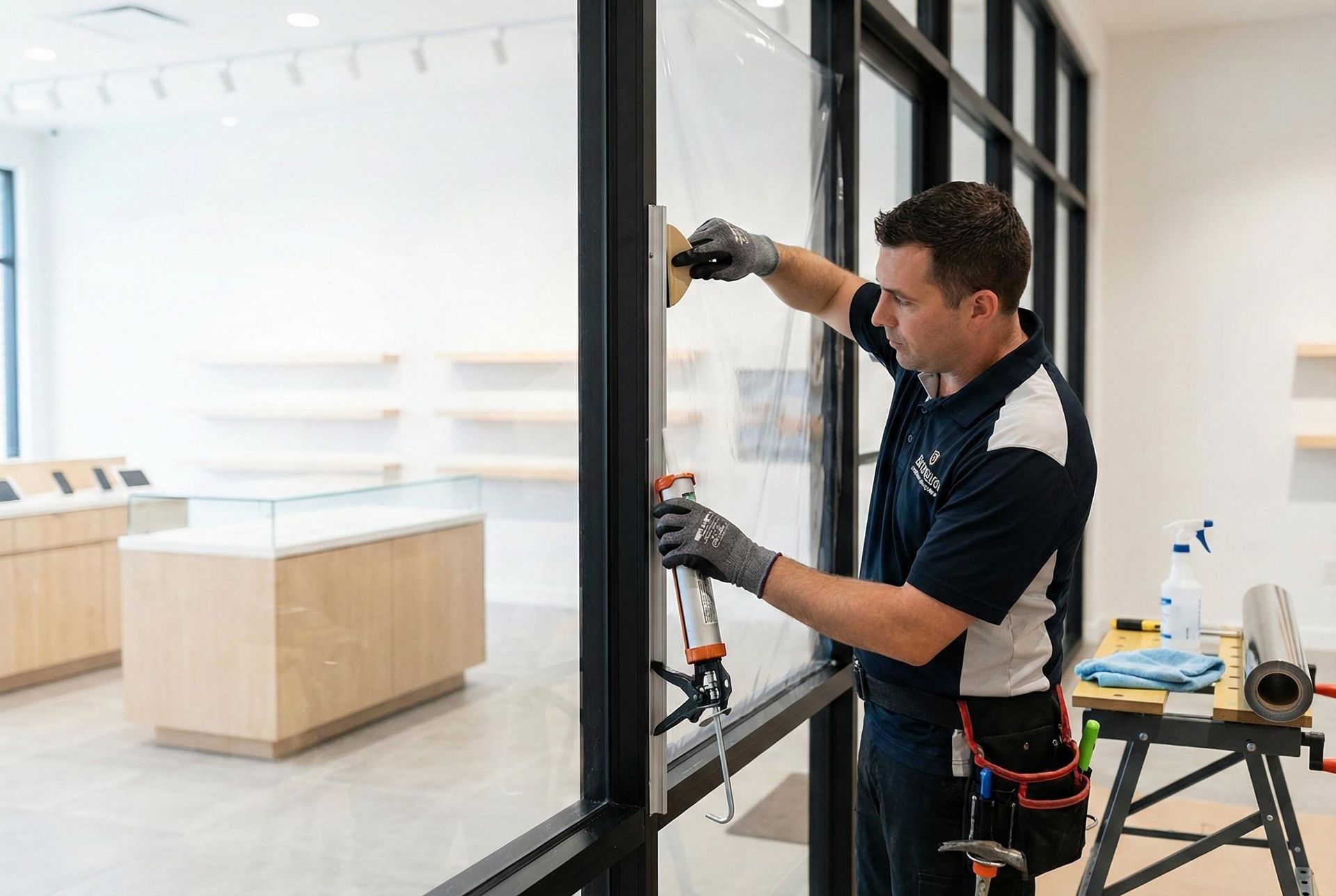
Correct film selection and precise installation are key to reaching the comfort and savings you expect over the long run. Quality products with strong warranties also give peace of mind as your film deals with Central Florida sun and humidity every single day.
At Velocity Window Tinting in Sanford, we work on condos, single-family homes, and large custom properties across nearby communities. Our team focuses on helping homeowners choose ceramic window tint that fits their glass, their lifestyle, and their goals for comfort and energy savings.
Get Started With Your Project Today
If you are ready to cut glare, improve comfort, and protect interiors, our team at
Velocity Window Tinting is here to help you choose the right
ceramic window tint for your building. We will walk you through film options, performance goals, and timelines so your project fits both your space and your budget.
Reach out today to schedule a consultation and see how a professional installation can upgrade your property.