

Can Security Film Help Protect Florida Storefronts? What Central Florida Business Owners Should Know
Florida storefronts take a beating. The sun hits the glass every day, hurricane season brings flying debris every summer and fall, and smash-and-grab thieves know that a pane of glass is often the quickest way into a store. If you own or manage a shop, restaurant, office, or pharmacy in Central Florida, it's fair to ask whether security window film is actually worth it.
Here is the short answer: yes, security film can help protect Florida storefronts, but it's important to understand exactly how. Safety and security film is a clear, heavy-duty polyester layer bonded to your existing glass. When the glass is hit hard enough to break, the film helps hold the fragments together, which reduces flying glass and makes forced entry slower and harder. It does not make glass unbreakable, and it is not a substitute for code-approved hurricane protection where the Florida Building Code requires it.
Velocity Window Tinting has installed window film for Central Florida businesses since 1995, from our shop in Sanford to storefronts across Seminole, Orange, Lake, and Volusia counties. This guide gives you a straight answer on what security film can do, where it falls short, which options fit different storefronts, and what affects the cost.

The Short Answer: What Security Film Does and Doesn't Do
Security film can help a Florida storefront:
- Hold broken glass together after an impact instead of letting it scatter
- Slow smash-and-grab entry by keeping cracked glass in the frame
- Reduce injuries from loose glass fragments during accidents and storms
- Keep a broken pane closed against rain and wind until it can be replaced
- Filter more than 99% of UV rays with qualifying LLumar films
Security film does not:
- Make glass unbreakable or "impact-proof"
- Replace impact windows or shutters required by the Florida Building Code
- Stop bullets
- Fix leaking seals, damaged frames, or weak window systems
Knowing both lists up front helps you choose the right protection instead of paying for promises a film can't keep.
Why Florida Storefronts Face Unique Glass Risks
Most storefront glass is large, ground-level, and easy to reach. In Florida, that same glass also faces weather and sun conditions that many other states don't.
Smash-and-Grab and After-Hours Break-Ins
Retail thieves count on speed. One strong hit with a rock, hammer, or tool can clear a hole in untreated glass in seconds. Stores with high-value items, such as electronics, phone repair shops, pharmacies, jewelry, and liquor stores, are frequent targets. When security film holds cracked glass in place, the intruder has to keep hitting and pulling, which takes time and makes noise. That delay is often what sends them away.
Hurricane Season and Windborne Debris
From June through November, Central Florida businesses watch the tropics closely. Recent storms like Ian and Milton reminded the region how much damage wind and debris can do far from the coast. When a branch, sign, or piece of roofing strikes untreated storefront glass, the pane can shatter into the store. Film can help keep those fragments together, but as we explain below, it has real limits during a major hurricane.
Everyday Accidents
Not every broken window is a crime or a storm. Vehicles jumping curbs in parking lots, shopping carts, delivery dollies, and customers bumping into glass doors all break storefront glass every year. Security film helps reduce the risk of injury from sharp, loose fragments when that happens.
The Florida Sun Works on Your Glass Every Day
Large storefront windows let in intense Florida heat, glare, and UV rays that fade merchandise and displays. That's why many Central Florida businesses choose a solar safety film, which combines glass retention with heat and glare control in one installation.
How Security Film Works on Storefront Glass
Security film is engineered for strength. It's made of a heavy-duty polyester bonded to the glass with a strong adhesive, creating a thin, transparent barrier that grabs the glass at the moment of impact.
Film Thickness and Layers
Window film thickness is measured in mils (thousandths of an inch). Standard tint is usually 1 to 2 mils and offers little glass retention. Safety films commonly start around 4 mils, and security films often run 7 to 8 mils or more for added resistance to tearing and puncture. The right thickness depends on your glass, your risk level, and your budget.
Attachment Systems
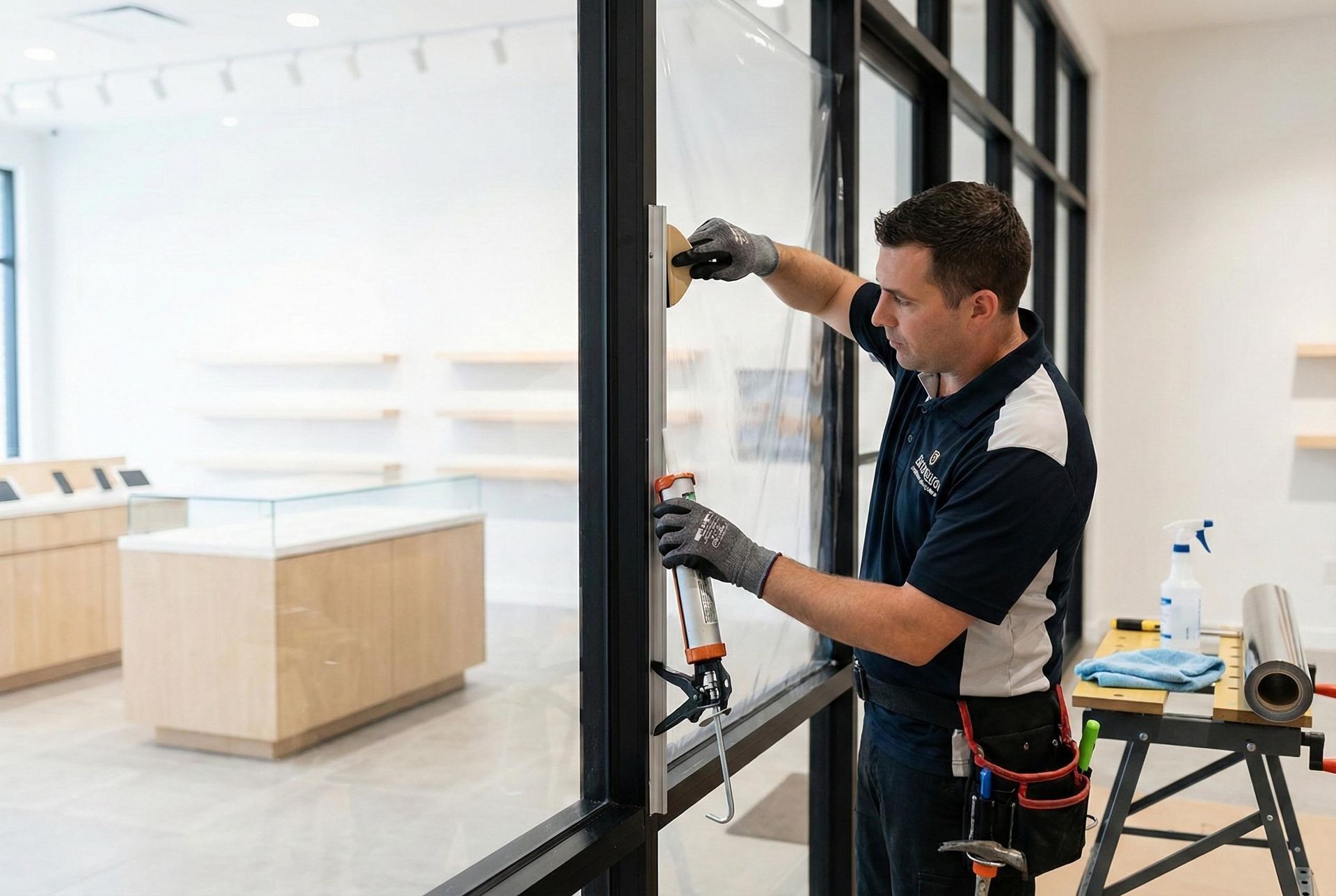
A filmed pane can still be pushed out of the frame as a single sheet if it's hit hard enough. An attachment system anchors the film to the window frame so the glass and film stay in the opening. Velocity Window Tinting can evaluate whether a compatible attachment system makes sense for your storefront doors and large panes.
Interior vs. Exterior Security Film
Most security film is installed on the inside of the glass, where it's protected from weather and tampering. For buildings where interior surfaces can't be reached, LLumar exterior safety and security film is designed for outdoor exposure, with a scratch-resistant coating and compatibility with most glass types.
Security Film vs. Other Storefront Protection Options
| Option | Holds Broken Glass? | Visible During Business Hours? | Hurricane Code Approved? | Solar and UV Benefits | Relative Cost |
|---|---|---|---|---|---|
| Unprotected glass | No | No | No | None | None |
| Clear security film | Yes | Virtually invisible | No | 99% UV with qualifying films | Low to moderate |
| Solar safety film | Yes | Light tint or reflective | No | Heat, glare, and UV control | Moderate |
| Security film + attachment system | Yes, stays in frame | Minimal | No | Depends on film | Moderate |
| Impact-rated glass | Yes | No | Yes, if rated and permitted | Depends on glass | High |
| Hurricane shutters | Covers the glass | Yes, when deployed | Yes, if rated and permitted | None | Moderate to high |
| Security bars or grates | No | Yes, always | No | None | Moderate |
The takeaway: security film is the most affordable way to add everyday glass retention without changing how your store looks, while impact glass or approved shutters remain the solution for code-required hurricane protection.
Which Security Film Fits Your Florida Storefront?
| Storefront Type | Recommended Option | Why It Fits |
|---|---|---|
| Pharmacies and medical offices | Security film with attachment system | Protects staff and slows entry to medication areas |
| Electronics, phone, and jewelry stores | Thicker security film with attachment system, plus anti-graffiti | High-value targets need more delay |
| Restaurants and cafes | Clear or solar safety film | Keeps the inviting look while cutting heat and glare |
| Retail shops with west- or south-facing glass | Solar safety film | Holds glass and reduces Florida heat and fading |
| Ground-floor offices | Clear security film | Protection without bars or a "fortress" look |
| Buildings without interior glass access | Exterior safety and security film | Built for outdoor conditions |
| Vandalism-prone entry doors | Anti-graffiti film over security film | Takes scratches and tagging instead of the glass |
Security Film and Hurricanes: What Florida Owners Need to Know
This is where honesty matters most. Security film can reduce the hazard of shattered glass during storms and help keep fragments together after an impact. However, it is not tested or approved as a replacement for impact-rated windows or shutters, and it should not be your only plan in an area where the Florida Building Code requires opening protection.
Think of security film as everyday protection that also helps during weather events, not as hurricane armor. Many Central Florida businesses use film year-round for glass retention, UV control, and heat reduction, while relying on code-approved shutters or impact glass for major storms. If you're unsure what your building requires, check with your local building department or a licensed contractor.

Our Storefront Security Film Process
At Velocity Window Tinting, we believe good film is only part of a good installation. Preparation, film selection, workmanship, and aftercare all matter.
1. Tell Us About Your Storefront
Share details about your building, glass, location, and the problems you want to solve, whether that's break-ins, flying glass, heat, glare, or vandalism.
2. Review the Glass and Film Options
We look at the glass type, size, condition, and exposure, then help you compare clear security, solar safety, exterior, and anti-graffiti options. If frames or seals are damaged, we'll tell you, because film can't fix a failing window system.
3. Receive Your Proposal and Schedule
Your estimate is based on the glass area, the film you choose, access, preparation, and any attachment system. Once approved, we coordinate installation around your business hours to limit disruption.
4. Professional Installation and Aftercare
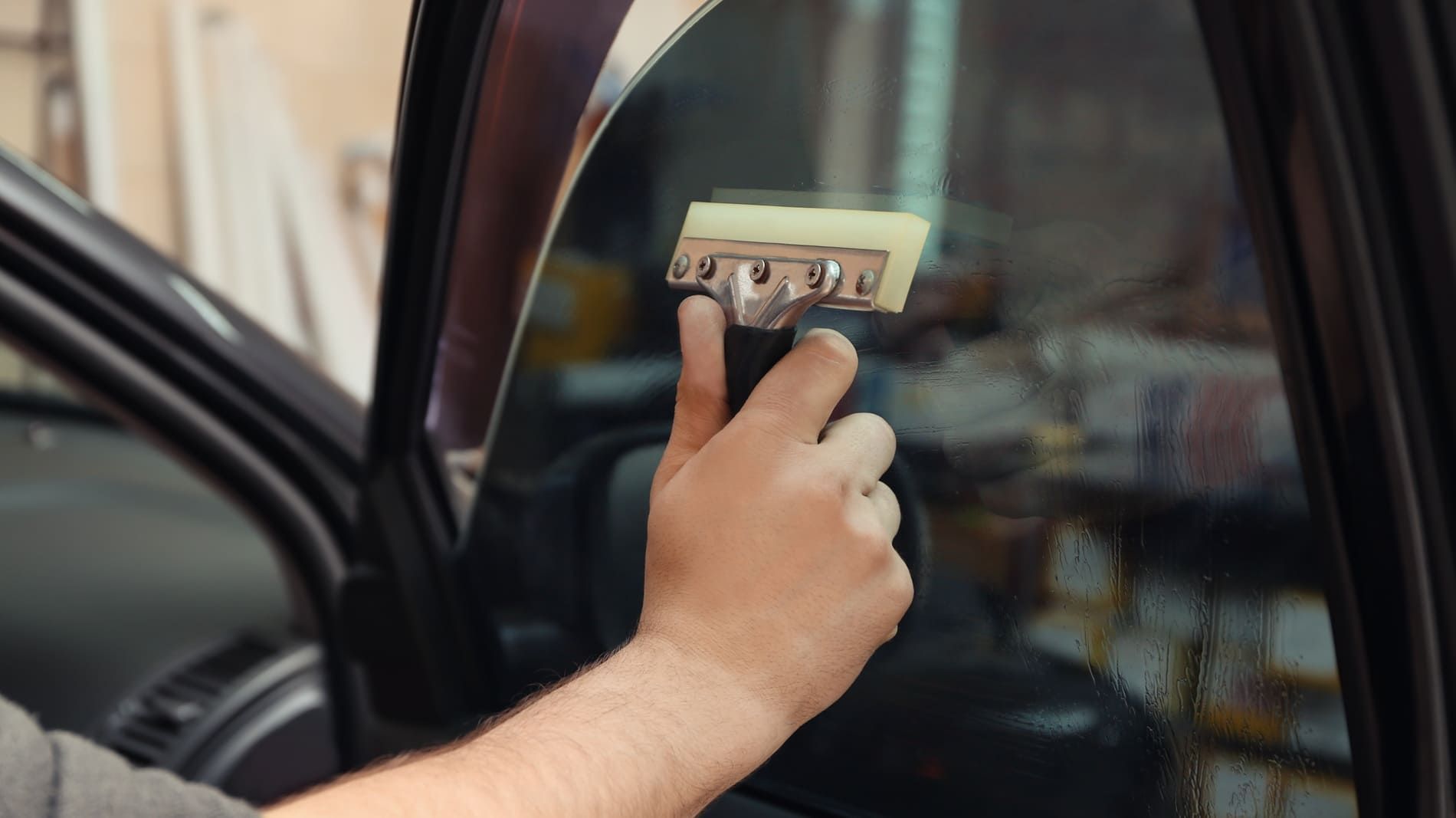
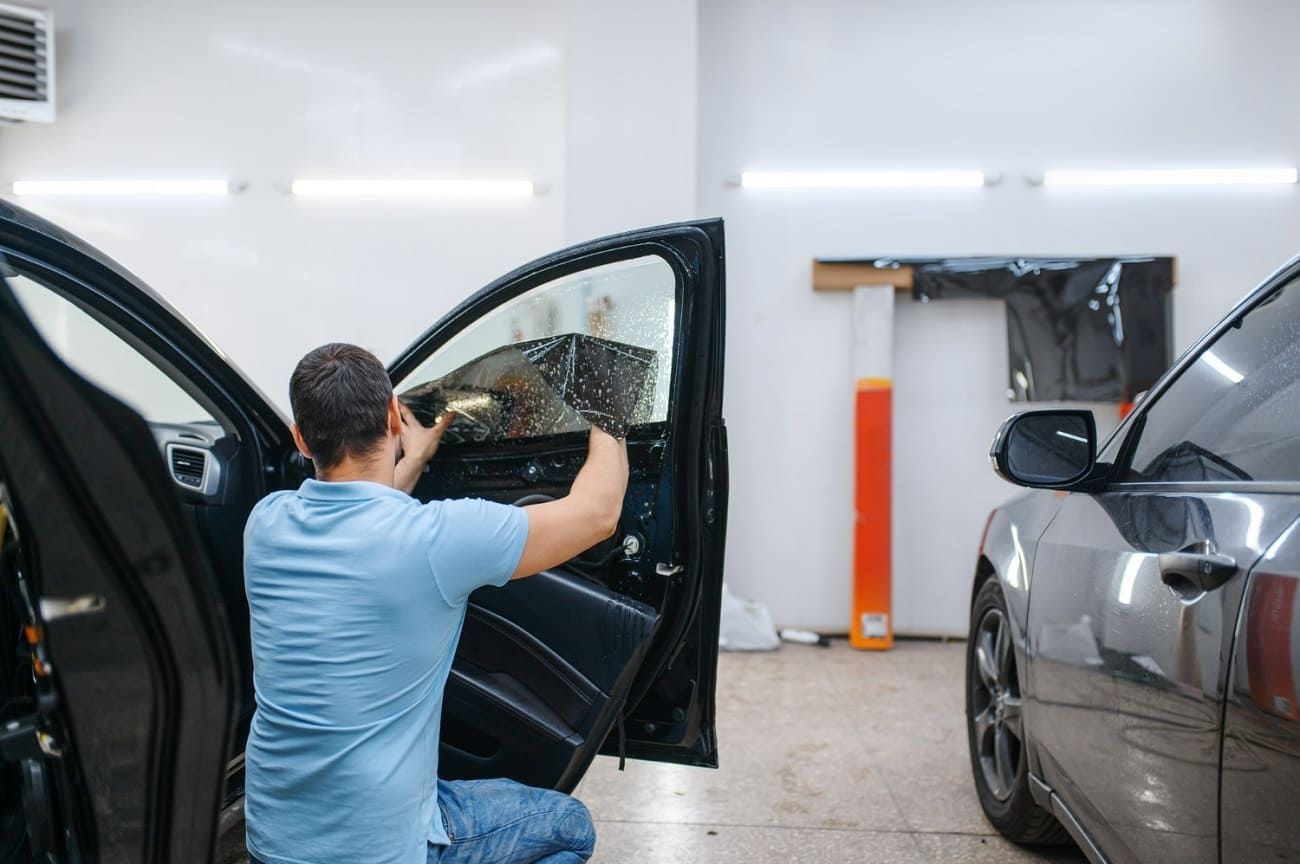
Our team prepares the glass, installs the film with attention to fit and edge quality, and explains curing, cleaning, and warranty information. Small water pockets or haze can appear while the film cures and typically clear up over time.
How Much Does Storefront Security Film Cost in Florida?
Every commercial project is priced individually. The main factors that affect cost include:
- Total square footage of glass, including doors and transoms
- Film type and thickness (clear security, solar safety, or exterior)
- Whether an attachment system is added
- Anti-graffiti layers on high-risk surfaces
- Access, such as tall panes or areas behind displays
- Removal of old or failing window film
In most cases, security film costs far less than replacing storefront glass, and it installs without removing your existing windows. It can also help offset its cost by reducing break-in losses, glass replacement bills, and, with solar safety films, Florida cooling demand.
Why Central Florida Businesses Choose Velocity Window Tinting
Velocity Window Tinting has served Central Florida since 1995. As an exclusive LLumar SelectPro dealer, we install LLumar commercial safety and security films that are manufactured to strict performance standards. We've helped more than 200 businesses protect their glass, and quality commercial film can provide 15 to 20 years of service when properly selected and installed.
Our customers often mention the same things: straightforward guidance, honest answers, and no pressure sales pitch. We'll tell you what security film can do for your storefront and what it can't, so you can make a decision that fits your risk and your budget.
Frequently Asked Questions About Security Film for Florida Storefronts
Does security film make storefront glass unbreakable?
No. Security film is designed to hold broken glass together and increase resistance to impact and forced entry. The glass can still crack or shatter, but the film helps keep it in place.
Is security film hurricane-proof?
No. Security film can help reduce flying glass during storms, but it is not a replacement for impact-rated windows or approved shutters where the Florida Building Code requires opening protection.
Will security film stop a smash-and-grab burglary?
It can't guarantee a thief won't get in, but it makes breaking through the glass slower, harder, and louder. That delay often causes intruders to give up or draws attention before they reach your merchandise.
Can I see through security film?
Yes. Clear security films are virtually invisible, so your displays and storefront look the same. Solar safety films add a light tint or reflective look for heat and glare control.
What's the difference between security film and anti-graffiti film?
Security film helps hold broken glass together and adds impact resistance. Anti-graffiti film is a replaceable surface layer that protects glass from scratching, etching, and tagging. Many storefronts use both.
Can security film be installed without closing my store?
In most cases, yes. Installation can usually be scheduled to limit disruption, depending on the size and layout of your storefront.
Protect Your Florida Storefront With Honest, Professional Advice
Security film is one of the most practical upgrades a Florida business can make to its glass. It helps hold broken panes together, slows smash-and-grab thieves, reduces injury risk from accidents and debris, and, with solar safety options, cuts the heat and glare that Florida sun brings every day. Used alongside code-approved hurricane protection, it gives your storefront a strong, everyday layer of defense.
If your business is in Sanford, Lake Mary, Longwood, Oviedo, Altamonte Springs, Winter Springs, Casselberry, Orlando, Deltona, DeLand, Daytona Beach, Eustis, Mount Dora, or nearby communities, Velocity Window Tinting can evaluate your glass and recommend the right LLumar film.
Call (407) 383-3363 or request a
free commercial estimate online. Visit us at 647 Progress Way, Sanford, FL 32771, Monday through Saturday from 9 AM to 5 PM.