Sunbelt Commute Case Study: Cabin Temp, Glare, and AC Load Before vs. After Tint

Commuting across Central Florida in late summer can feel like driving inside a greenhouse. The sun is high, the air is thick, and the inside of your car can heat up fast, even for a short drive. The mix of cabin heat, bright glare, and a hard-working A/C system turns a simple trip between Sanford and Orlando into a draining part of your day.
We wanted to know what really changes when you add Stratos window tint to that daily grind. So we treated one common Sunbelt commute as a simple case study, then measured cabin temperature, glare, and A/C load before and after tint. Here is how we set it up, what we found, and what it could mean for your own drive.
How a Real Sunbelt Commute Proves Tint Performance
Central Florida drivers deal with some of the toughest sun conditions in the country. Late afternoons in August and early September mean strong sun, busy roads, and high humidity that does not let up. That is when cabin temps and glare are at their worst, right when many people are heading home from work or picking up kids.
To see what Stratos window tint really does in those conditions, we treated a Sanford-to-Orlando-style commute as a real-world test. No lab, no wind tunnel, just everyday driving in peak afternoon heat.
In this case study, we focused on three things:
- Cabin temperature from the time you open the door to the end of the drive
- Glare and how it affects comfort and focus behind the wheel
- A/C load, including how hard the system seems to work to keep you cool
By comparing before and after tint on the same route, at the same time of day, we got a clear picture of the differences drivers can feel.
The Late Summer Heat Test Route and Setup
We built the route around a typical Central Florida commute. Think of a drive that might:
- Start near the Sanford area, leaving a workplace or parking lot in the late afternoon
- Follow main roads and highway stretches toward the greater Orlando area
- Hit the usual mix of stoplights, on-ramps, and heavy slowdown sections
We timed the drives for the late afternoon rush, roughly between 3 p.m. and 6 p.m. That time of day gives you a strong sun angle, extra glare on west-facing lanes, and the kind of traffic that keeps you sitting in heat instead of flowing with easy air movement.
To keep the test simple and fair, we used:
- The same vehicle and the same driver on all runs
- Comparable hot, sunny days before and after Stratos window tint installation
- A similar parking situation before each drive, with the car sitting out in the open sun
For measurements, we relied on practical tools rather than complex lab gear:
- In-cabin thermometers to watch temperature at eye level and near the center console
- An infrared thermometer to spot-check glass and interior surfaces
- Basic observations of A/C behavior, including fan setting and compressor cycling
- Notes on time of day and sun direction during key parts of the route
The goal was not lab perfection, but a clear, honest look at what a driver would notice in daily use.
Cabin Temperature Before vs. After Stratos Window Tint
Before tint, the baseline was exactly what many Central Florida drivers know too well. After the car sat in an open lot, the inside felt like a blast of hot air the second the door opened. The steering wheel and seat surfaces were uncomfortable to touch at first, and the A/C needed time to bring the cabin into a reasonable range.
Pre-tint behavior looked something like this:
- Very high starting cabin temps after a sun soak
- Peak heat during stop-and-go sections, when the car was barely moving
- A long stretch of running the A/C on high just to stop sweating
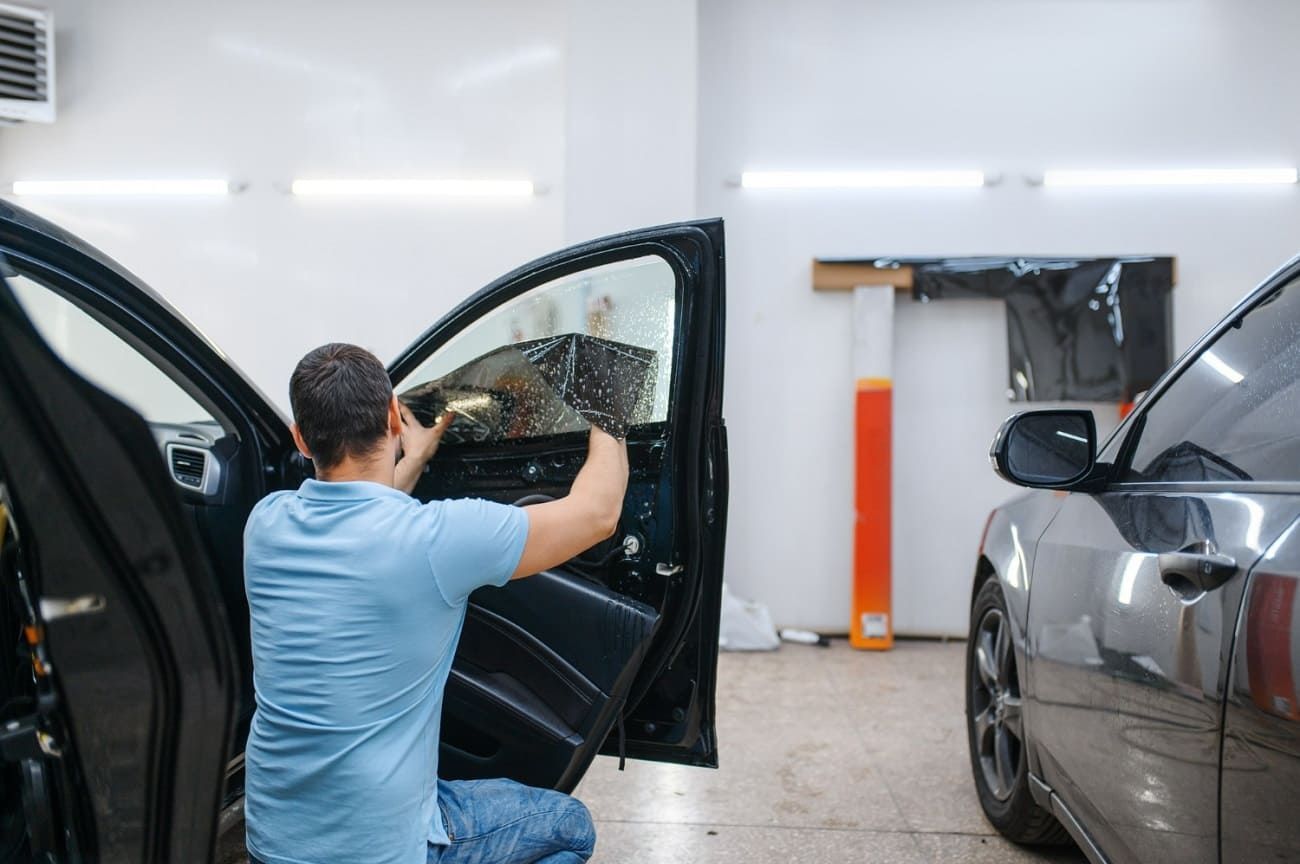
After installing Stratos window tint, the pattern changed. The cabin still warmed up, but not to the same extreme levels. When the door opened, the air felt noticeably less harsh, and the surfaces were more tolerable.
Post-tint differences included:
- Lower starting cabin temperatures after sitting in the sun
- Reduced peak temps when stuck in traffic or at long lights
- Faster cool-down times, so the A/C could move off the highest setting sooner
For a real commuter, these changes show up as:
- Less of that painful heat blast when you first get in
- A steering wheel and seat that feel closer to warm than scorching
- A more steady comfort level without constantly bumping up fan speed
Over weeks and months, that translates into a more relaxed, less draining drive.
Measuring Glare and Driver Fatigue on a Real Route
Heat is only half the battle. Late afternoon glare can turn a simple merge or lane change into a stressful moment, especially on west-facing lanes or where the sun reflects off water or bright surfaces.
On our route, we noted specific segments where glare was worst, such as:
- Long straight stretches that line up with the setting sun
- Bridge approaches or overpasses where light bounces off concrete
- Intersections with reflective windshields, glass buildings, or standing water
Before tint, those spots meant more squinting, more visor flipping, and more moments of feeling partially blinded. Traffic lights, brake lights, and lane markings could get washed out in the bright glow.
With Stratos window tint added, we noticed:
- Fewer sudden bursts of intense glare when turning into the sun
- Clearer visibility of traffic signals, even when the sun was low
- Less eye strain over the length of the drive
Lower glare is not just about comfort. It supports better focus and can help:
- Cut down on tense moments when vision is briefly obscured
- Reduce the mental effort needed to track other vehicles
- Leave you feeling calmer and less worn out when you reach your destination
That matters if you are doing this commute day after day during late summer and into the fall months when daylight stretches into the late afternoon.
A/C Load, Fuel Use, and EV Range Impacts
We also paid attention to how the A/C system behaved before and after Stratos window tint. Even without advanced instruments, you can learn a lot from basic cues.
Pre-tint, the A/C pattern often included:
- Fan speed set high for most of the drive
- Temperature dial kept low, closer to the coldest setting
- Frequent compressor cycling with noticeable noise and feel
After tint, the driver could usually:
- Drop fan speed a notch sooner into the drive
- Nudge the temperature dial slightly higher while staying comfortable
- Notice fewer long periods of max A/C blasting at full strength
That lighter load on the A/C can bring real benefits over time:
- Lower fuel use for gas vehicles when the compressor is not working as hard
- Improved range for EVs, since the HVAC system draws less power
- Less strain on A/C components across many hot months of use
It all adds up over a long commute year, especially in a region where warm, sunny days are the norm instead of the exception.
What This Case Study Means for Your Daily Drive
This simple Sunbelt commute case study shows how Stratos window tint affects the parts of driving we feel every single day. Lower cabin temps, calmer glare, and a lighter A/C load do not just sound good on paper. They show up as real comfort, steadier focus, and a drive that takes less out of you.
For anyone who spends time on Central Florida roads, small differences at the start and end of each trip can add up. Less heat shock when you get in, fewer blinding moments facing the sun, and a more relaxed A/C setting all help turn a punishing daily route into something more manageable.
At Velocity Window Tinting in Sanford, we work with drivers across the region who face this kind of commute. As a LLumar SelectPro dealer, we install Stratos window tint with a focus on real-world performance, careful fit, and options that match different vehicles and driving habits. When you look at your own route, you can expect the same kinds of benefits, tailored to your schedule, parking habits, and time of day on the road.
Get Started With Your Project Today
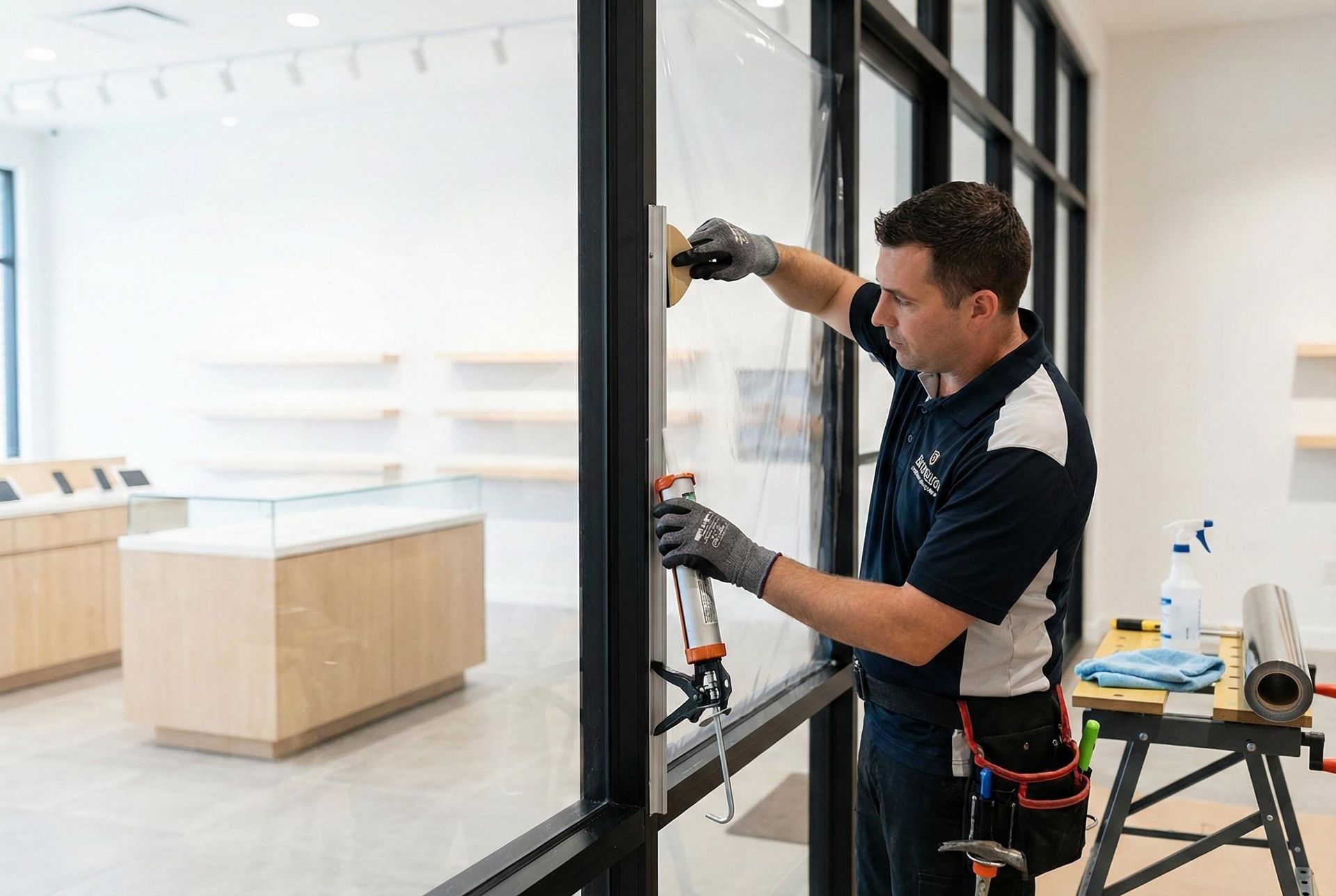
If you are ready to improve comfort, privacy, and energy performance in your building, we are here to help you choose the ideal
Stratos window tint solution. At
Velocity Window Tinting, we assess your space, listen to your goals, and recommend films that match your budget and design.
Reach out today so we can
schedule a consultation and outline a clear plan for your project. Let us show you how the right tint can transform your windows into a long-term asset for your property.