How Long Does Ceramic Window Tint Last in Florida?
Florida's sun is not like the sun anywhere else. Vehicle owners and homeowners in Sanford, FL and across Seminole, Orange, Lake, and Volusia County deal with year-round UV exposure and heat that puts more stress on window film than almost any other climate in the country. The short answer to how long ceramic tint lasts in Florida is: when installed correctly on a quality product, it can last 10 years or more. The longer answer depends heavily on what film you choose and who installs it.
Ceramic tint is engineered specifically to resist the kind of long-term breakdown that destroys cheaper films in Florida's conditions. It does not rely on dyes that bleach out or metallic layers that degrade under constant solar load. But lifespan is never just about film type. Film quality, professional installation, and how you maintain the glass afterward all determine whether your ceramic tint still looks and performs like new in year eight or starts showing problems in year three.
This guide covers everything Central Florida drivers and homeowners need to know before they invest in ceramic window tint.
Table of Contents
- What Makes Ceramic Window Tint Different From Other Films
- The Average Lifespan of Ceramic Tint in Florida's Climate
- What Causes Ceramic Tint to Fail Early
- Ceramic Tint vs. Dyed and Carbon Film: How Long Each Really Lasts
- Signs Your Window Tint Is Reaching the End of Its Life
- How Professional Installation Affects Tint Longevity
- How to Extend the Life of Your Ceramic Window Tint
- FAQ: Ceramic Window Tint Lifespan in Florida
What Makes Ceramic Window Tint Different From Other Films
Ceramic window tint is a non-dyed, non-metallic film that uses nano-ceramic particle technology to block UV rays and solar heat. Unlike dyed film, which absorbs solar energy using color-based compounds that break down under repeated heat exposure, ceramic film blocks and reflects energy at the molecular level using stable, inorganic particles that do not degrade in the same way.
That structural difference is what makes ceramic tint particularly well suited to Florida's climate. In Central Florida, the average annual UV index is among the highest in the continental United States. Sanford and the surrounding Seminole, Orange, Lake, and Volusia County areas experience direct sun and high ambient temperatures for ten or more months out of the year. Window film installed here works significantly harder than film installed in a northern state, and the film's internal chemistry determines whether it holds up or breaks down under that sustained load.
What Ceramic Film Blocks and Why It Matters
A quality ceramic film like LLumar Formula One ceramic blocks up to 99 percent of UV radiation, a significant portion of near-infrared heat, and visible solar energy, all while maintaining optical clarity. It does this without the metallic compounds that cause radio, GPS, and cell signal interference, which is a meaningful advantage for modern vehicles loaded with wireless technology. The ceramic particles that make this possible remain chemically stable under prolonged heat and UV exposure, which is the core reason ceramic film outlasts other types in Florida conditions.
Ceramic vs. Standard Film at a Glance
Where dyed film uses color-absorbing layers that fade over time and carbon film uses carbonized particles with moderate heat resistance, ceramic film replaces both approaches with a technology that was specifically designed for durability under intense solar load. The result is a product that performs closer to new at year seven than dyed film typically does at year two in Florida's conditions.
The Average Lifespan of Ceramic Tint in Florida's Climate
A professionally installed, premium-grade ceramic window tint in Florida can realistically last 10 to 15 years on residential windows and 8 to 12 years on vehicle glass. Some installations on residential and commercial glass maintained under ideal conditions last even longer. These ranges reflect real-world performance in high-UV, high-heat environments like Central Florida, not the theoretical maximums listed in product literature for moderate climates.
Vehicle glass tends to see slightly shorter lifespan estimates than residential glass for a few reasons. Automotive film is subjected to door open-and-close cycles, door seals pressing against film edges, temperature extremes inside a parked car in Florida heat, and cleaning products applied during car washes. Residential film, once installed, is largely stationary and protected from mechanical stress, which allows it to approach the upper end of its lifespan range more consistently.
Lifespan by Application in Florida's Climate
The table below summarizes typical film lifespan expectations by application type for Florida's year-round sun exposure. These are realistic estimates for professionally installed, quality ceramic film.
| Application Type | Typical Ceramic Film Lifespan (Florida) | Key Lifespan Factors | Notes |
|---|---|---|---|
| Automotive glass (daily driver) | 8 to 12 years | Door cycles, car wash frequency, parking exposure, interior heat buildup | Rear window and rear side glass see highest UV load; lifetime warranty on premium products covers premature failure |
| Residential windows (single-family home) | 10 to 15 years | Window orientation, direct sun hours, cleaning method, glass condition at install | South and west-facing windows in Central Florida receive the highest sustained UV load and should be prioritized for premium film |
| Commercial storefront glass | 10 to 20 years | Glass thickness, framing quality, HVAC proximity, cleaning schedule | Large-pane commercial installations benefit significantly from ceramic film's heat stability; film on single-pane or poorly sealed glass may underperform |
For vehicle owners and homeowners across Sanford, Longwood, Lake Mary, DeLand, and Apopka, choosing a ceramic film with a documented lifetime warranty and professional installation is the most reliable way to reach the upper end of these lifespan ranges.
What Causes Ceramic Tint to Fail Early
Even the best ceramic film can fail before its expected lifespan if the conditions around installation or maintenance are poor. Understanding the most common causes of early failure helps you make smarter decisions before and after your tint is installed.
Low-Quality Film Marketed as Ceramic
Not all products sold as ceramic film are created equal. The window tint market includes a range of products that use "ceramic" in their name while incorporating only trace amounts of ceramic particles alongside lower-grade base materials. These hybrid or budget ceramic films do not perform at the same level as engineered products from established manufacturers. In Florida's climate, the difference between a genuine ceramic product and a budget imitation becomes visible in as few as two to three years in the form of fading, edge lifting, or color shift.
LLumar Formula One ceramic film is an example of a product built to genuine ceramic specifications, with independent performance ratings and warranty documentation that support its durability claims.
Poor Installation Technique
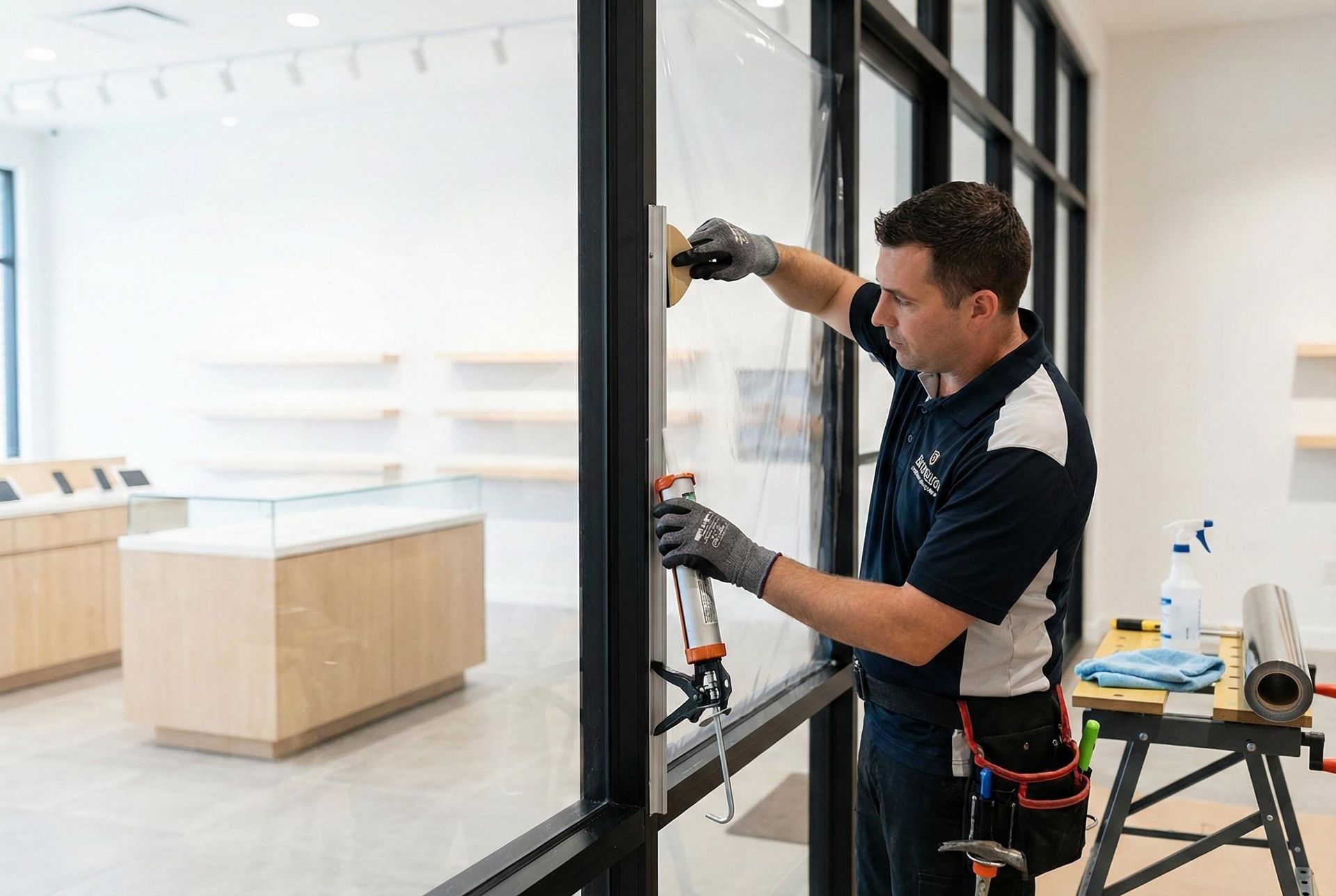
Film failure is often not a film problem at all. It is an installation problem. Improper surface preparation, contamination under the film during application, inadequate edge sealing, and insufficient cure time before the glass is exposed to direct sun are among the most common installer-related causes of early film failure. Bubbling, peeling at the edges, and delamination within the first year are almost always the result of installation errors rather than film defects.
Aggressive Cleaning Products
Ammonia-based glass cleaners are one of the most overlooked causes of premature tint deterioration. Ammonia breaks down the adhesive layer that bonds film to glass over repeated applications, eventually leading to clouding, edge separation, and surface haze. Many standard household glass cleaners and some car wash soap formulations contain ammonia or compounds that have a similar effect on film adhesives over time.
Prolonged Interior Heat Buildup
A car parked in direct Florida sun can reach interior temperatures of 150 to 180 degrees Fahrenheit on the dashboard and seat surfaces. While ceramic film is designed to reduce that heat load, repeated cycles of extreme heat buildup followed by rapid cooling from air conditioning put stress on both the film and the adhesive bond. Parking in shade or using a windshield sunshade when possible reduces this cumulative stress and contributes to longer film life.
Damaged or Improperly Prepared Glass
Film applied to scratched, chemically contaminated, or pitted glass will not bond uniformly. Existing surface damage creates adhesion gaps that allow moisture, air, and debris to migrate under the film over time. A professional installer will inspect and prepare glass surfaces before application. Skipping this step, as is common with DIY installations, significantly shortens the effective lifespan of even premium ceramic film.
Ceramic Tint vs. Dyed and Carbon Film: How Long Each Really Lasts
The comparison below gives Florida vehicle owners and homeowners a realistic side-by-side look at how the three primary film types perform over time in Central Florida's climate.
| Film Type | Average Lifespan in Florida Heat | UV Rejection | Heat Rejection | Fading and Color-Shift Resistance | Signal Interference (GPS, Radio, Phone) | Relative Cost | Warranty Coverage |
|---|---|---|---|---|---|---|---|
| Ceramic Film (premium grade) | 8 to 15 years | Up to 99 percent | High: blocks significant infrared and solar heat | Excellent: ceramic particles do not fade or shift color | None: no metallic content | Higher upfront investment | Lifetime warranty on premium products like LLumar Formula One |
| Carbon Film | 5 to 8 years in Florida conditions | Good: typically 90 to 99 percent | Good: better than dyed, less than top ceramic | Good: carbon is more stable than dye but can fade over time in extreme heat | None: no metallic content | Mid-range | Limited to lifetime warranty depending on brand and installer |
| Dyed Film | 1 to 4 years in Florida conditions | Moderate: limited by dye degradation | Low: absorbs rather than blocks heat, leading to heat buildup | Poor: dyes fade and purple in Florida UV within 1 to 3 years | None | Lowest upfront cost | Typically limited or no meaningful warranty in high-UV climates |
This comparison makes clear why ceramic film delivers better long-term value in Florida even at a higher upfront cost. Dyed film installed in Sanford or the surrounding Central Florida area may need to be replaced two or three times over the same period that a single ceramic film installation remains fully functional. The total cost of ownership over a decade, including removal and reinstallation labor, typically favors ceramic film significantly.
Carbon film sits in a meaningful middle position. It outperforms dyed film in Florida's conditions and costs less than premium ceramic, but it does not approach ceramic film's lifespan or heat rejection performance at the same level. For drivers and homeowners who want the best long-term outcome, ceramic film is the stronger choice.
Signs Your Window Tint Is Reaching the End of Its Life
Knowing the warning signs of aging or failing tint helps you address problems before they become more expensive to correct. Here is what to watch for on both vehicle and residential glass.
Bubbling Under the Film Surface
Small bubbles forming under the film surface are one of the earliest and most common signs of adhesive failure. On new installations, minor bubbling during the first few days is normal as the film cures. Bubbles that appear after the initial cure period or that continue to grow indicate adhesive breakdown, often caused by UV degradation of the adhesive layer, moisture infiltration, or the effects of aggressive cleaning products used over time.
Purple or Brown Color Shift
This is the classic sign of a dyed film losing its integrity, but it can also occur in lower-grade products marketed as ceramic or carbon. Genuine premium ceramic film does not purple. If your tint is shifting to a reddish or brownish tone, the dye or hybrid compound in the film has broken down. This is a sign that the film is no longer providing its rated UV or heat rejection performance, even if it still appears to be intact.
Edge Lifting and Peeling
Film that begins to separate from the glass at corners or edges is losing its adhesive bond. In Florida's climate, this often accelerates quickly once it starts because heat and humidity penetrate the gap and progressively weaken the remaining adhesion. Edge lifting left unaddressed typically results in full film delamination within months.
Hazing, Scratching, or Reduced Optical Clarity
Surface hazing that does not clean off indicates either adhesive clouding from age or chemical damage to the film's outer coat. Visible scratching on the film surface reduces optical clarity and cannot be repaired. Both are signs that the film has reached or passed the end of its functional life and should be replaced.
Reduced Heat and Glare Rejection
If you notice that your car or home feels noticeably hotter near the glass despite having tint installed, or if glare seems worse than it used to be, the film's solar control properties may have degraded. This is harder to detect without a measurement tool, but it is a real performance failure that means the film is no longer delivering what it was installed to provide.
How Professional Installation Affects Tint Longevity
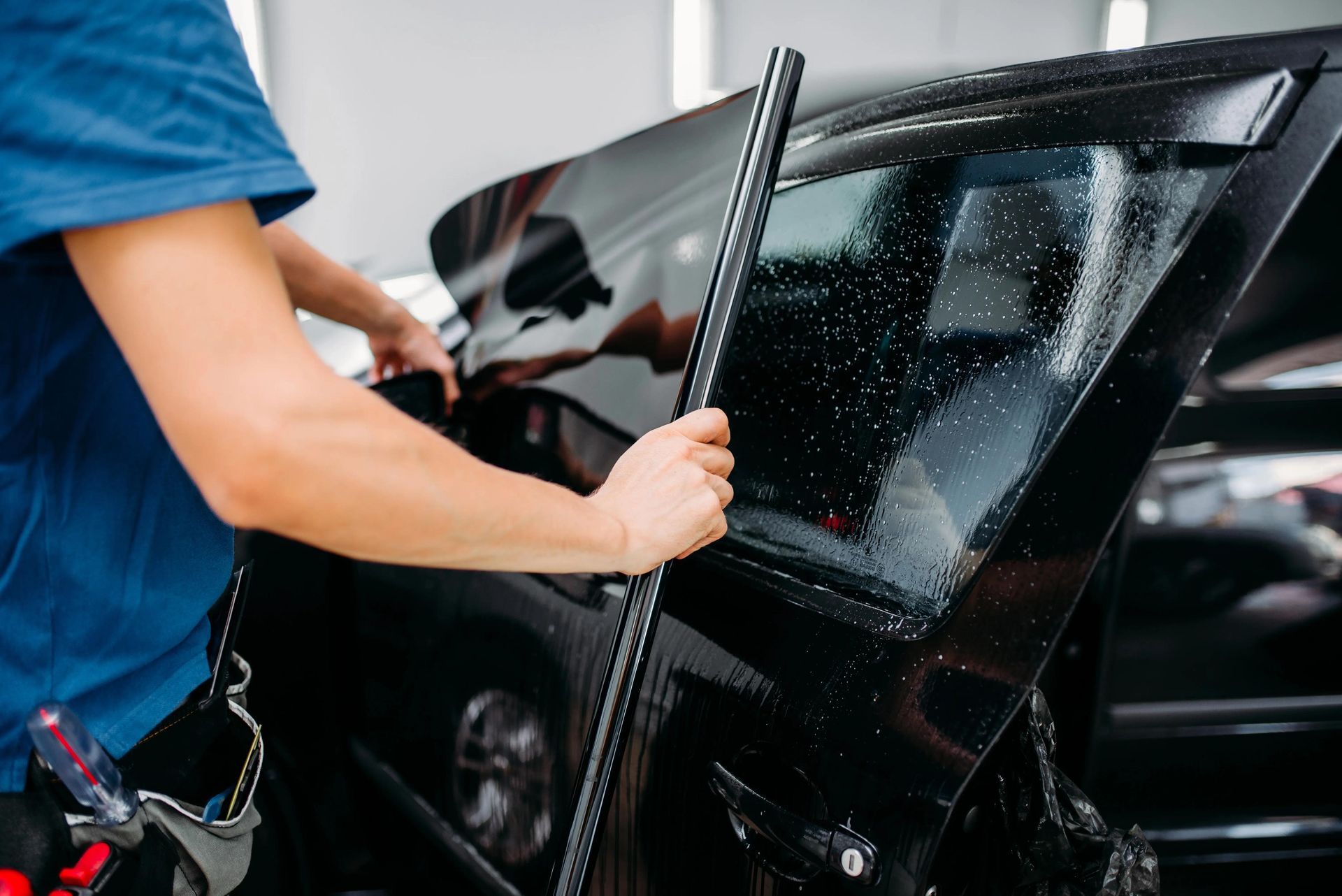
Professional installation is not just about a cleaner final appearance. It is directly connected to how long your ceramic tint lasts. The difference between a film that performs well for ten years and one that starts failing in two is often the installation, not the film product itself.
Surface Preparation
A trained installer cleans the glass thoroughly to remove oils, contaminants, adhesive residue from previous film, and microscopic debris that would otherwise be trapped under the new film. Contamination under the film creates weak points in the adhesive bond that expand over time, particularly under Florida's thermal cycling conditions. No amount of film quality compensates for a contaminated application surface.
Precision Cutting and Edge Work
Film that is cut to exact dimension and sealed properly at all edges leaves no entry points for moisture, dust, or heat to compromise the adhesion. Poorly cut or inadequately sealed edges are the starting point for most film failures in humid climates like Central Florida. Professional installers use precision cutting tools and edge sealing techniques that are not replicable with consumer-grade DIY kits.
Cure Time and Post-Install Handling
Ceramic film requires adequate cure time before the glass is rolled down, exposed to rain, or washed. A professional installer will advise you on the correct cure window for Florida's climate conditions and ensure the film is fully bonded before it faces any mechanical or environmental stress. Rushing the cure process is one of the most common mistakes in DIY and low-quality installations, and it directly shortens lifespan.
Warranty Activation
Many manufacturer warranties, including the lifetime warranty associated with LLumar Formula One ceramic film, require professional installation by an authorized dealer to be valid. A DIY installation or an installation by an unauthorized shop may void the warranty entirely, leaving you without coverage if premature failure occurs. Velocity Window Tinting installs LLumar Formula One ceramic film as an authorized dealer, which activates the full manufacturer warranty at the time of installation.
How to Extend the Life of Your Ceramic Window Tint
Ceramic tint is designed to last, but a few consistent habits will help you reach the full upper range of its expected lifespan in Florida's demanding conditions.
Wait the Full Cure Period Before Cleaning
After installation, wait at least three to five days before cleaning the glass with any product, and longer in humid or rainy conditions. In Florida's climate, where humidity can slow the adhesive cure process slightly, giving the film adequate time to fully bond to the glass before introducing any cleaning products or moisture is important.
Use Ammonia-Free Cleaners Only
Switch permanently to ammonia-free glass cleaners for any window that has been tinted. Products formulated specifically for tinted glass, or mild soap-and-water solutions, are safe and effective. Avoid using newspaper or rough cloths that can scratch the film surface. A soft microfiber cloth with an ammonia-free cleaner is the correct approach for both automotive and residential tinted glass.
Minimize Direct Sun Exposure When Possible
For vehicle owners in Central Florida, parking in covered or shaded areas whenever available significantly reduces the cumulative UV and thermal load on both the film and the vehicle interior. A windshield sunshade further reduces the temperature differential that the film adhesive experiences during extreme heat cycles. These are simple habits that meaningfully extend film longevity over time.
Inspect the Film Annually
A quick visual inspection of all tinted glass once a year, checking for early signs of edge lifting, bubbling, or optical changes, allows you to catch problems when they are still minor. Many issues identified early can be addressed before they require full film replacement. Your installer can assess any areas of concern and advise on whether repair or early replacement is warranted.
Address Damage Promptly
If a section of film is scratched, torn, or begins separating from the glass, address it quickly. Damage left unrepaired in Florida's climate will spread faster than it would in a drier or cooler environment. Heat and humidity accelerate edge separation and adhesive failure once the film's barrier is compromised. A small repair performed early is almost always less costly than a full replacement later.
FAQ: Ceramic Window Tint Lifespan in Florida
How many years does ceramic window tint typically last in Florida?
A professionally installed, premium-grade ceramic film typically lasts 8 to 12 years on vehicle glass and 10 to 15 years on residential and commercial windows in Florida's climate. These estimates reflect real-world performance in high-UV, high-heat environments and assume proper installation and maintenance. Budget or hybrid ceramic products may perform significantly below these ranges.
Does ceramic tint fade or change color over time?
Genuine ceramic window film does not fade or shift color over time. Unlike dyed film, which relies on pigment compounds that break down under UV exposure, ceramic film uses inorganic nano-ceramic particles that remain chemically stable throughout their lifespan. A quality ceramic film installed in Sanford, FL today should look as clear and perform as well in year ten as it does at installation, assuming proper care.
What causes bubbling or peeling in window tint?
Bubbling and peeling are most commonly caused by adhesive failure, which can result from poor surface preparation during installation, trapped contamination under the film, ammonia-based cleaning products used after installation, or UV degradation of the adhesive layer in lower-grade films. On new installations, minor temporary bubbles during the first few days are normal as the film cures. Persistent or growing bubbles indicate a problem that should be evaluated by a professional installer.
Does ceramic tint last longer than carbon or dyed tint?
Yes, ceramic film consistently outlasts both carbon and dyed film in Florida's conditions. Dyed film typically lasts one to four years before showing visible degradation in Central Florida's UV environment. Carbon film performs better, averaging five to eight years. Premium ceramic film like LLumar Formula One is engineered to last significantly longer, with realistic lifespans of eight to fifteen years depending on application and maintenance.
Does professional installation affect how long tint lasts?
Yes, significantly. Professional installation directly affects tint longevity through proper surface preparation, precision cutting, edge sealing, and adherence to cure time recommendations. The majority of early film failures, including bubbling, edge lifting, and delamination within the first few years, are the result of installation errors rather than film defects. Professional installation by an authorized dealer also activates the manufacturer warranty, which protects your investment if premature failure does occur.
How can I tell if my window tint needs to be replaced?
Key indicators that tint is reaching the end of its life include visible bubbling under the film surface, purple or brown color shift, edge lifting or peeling, surface hazing that does not clean off, visible scratching, and a noticeable increase in heat or glare through the glass. If you notice any of these signs, a professional evaluation can confirm whether repair or replacement is the right next step.
Is ceramic tint worth the higher upfront cost in Florida?
For Florida vehicle owners and homeowners, ceramic tint is almost always worth the higher upfront cost when evaluated over a full ownership period. The cost of replacing dyed or lower-grade film one to three times over a decade, including removal and reinstallation labor, typically exceeds the initial premium for ceramic film. Beyond cost, ceramic film also delivers measurably better UV protection, heat rejection, and comfort over its full lifespan, which dyed and carbon films cannot sustain in Florida's conditions.
How does Florida's heat and humidity affect tint lifespan specifically?
Florida's combination of intense UV radiation, high sustained temperatures, and elevated humidity creates a more demanding environment for window film than most other regions. UV exposure degrades dye-based film faster than in northern states. High heat accelerates adhesive stress, particularly in vehicles that experience repeated extreme heat buildup. Humidity can infiltrate compromised edges and accelerate delamination. Ceramic film is specifically engineered to resist all three of these stressors more effectively than other film types, which is why it performs significantly better in Florida's climate.
Does a warranty cover premature tint failure?
Yes, if the film is installed by an authorized dealer and the warranty is properly activated. LLumar Formula One ceramic film carries a lifetime warranty when installed by an authorized professional installer. This warranty covers premature failure resulting from film defects, including bubbling, peeling, color change, and adhesive failure. Warranty coverage does not apply to DIY installations, installations by unauthorized dealers, or damage caused by external factors such as physical scratching or chemical damage from non-approved cleaning products.
How do I properly maintain ceramic tint to maximize its lifespan?
The most important maintenance steps are: waiting the full cure period after installation before cleaning the glass, using only ammonia-free glass cleaners and soft microfiber cloths for all tinted surfaces, parking in shade or using a windshield sunshade when possible to reduce thermal stress, inspecting the film annually for early signs of edge lifting or bubbling, and addressing any damage promptly before it spreads. These habits consistently extend film lifespan in Florida's demanding climate and protect the warranty coverage on your installation.
Ceramic Tint Is Built for Florida. The Right Installation Makes It Last.
Ceramic window tint outlasts every other film type in Florida's climate for one clear reason: it is engineered to resist the exact conditions that destroy cheaper films. The nano-ceramic particle technology that blocks UV, rejects heat, and maintains optical clarity does not rely on dyes that bleach out or metallic compounds that degrade. In the sustained UV exposure and heat of Central Florida, that structural difference translates directly into years of additional performance and protection.
But the film is only half of the equation. A lifetime's worth of performance only materializes when the film is installed correctly on properly prepared glass, allowed to cure fully, and maintained with the right products. An exceptional film installed poorly will fail early. A good film installed well and properly maintained will protect your vehicle or home for a decade or more.
For vehicle owners and homeowners in Sanford, FL and across Seminole, Orange, Lake, and Volusia County, Velocity Window Tinting installs LLumar Formula One ceramic window film with the professional expertise and attention to detail that translates directly into long-term performance. Every installation is backed by a lifetime warranty and completed by trained technicians who understand what Florida's climate demands from window film.
Contact Velocity Window Tinting today for a free quote and consultation. Whether you are looking to protect your vehicle, your home, or both, we will help you choose the right LLumar Formula One ceramic film for your application and make sure it is installed to last.