Code & Compliance for Orlando Storefronts: Security Window Film Guide
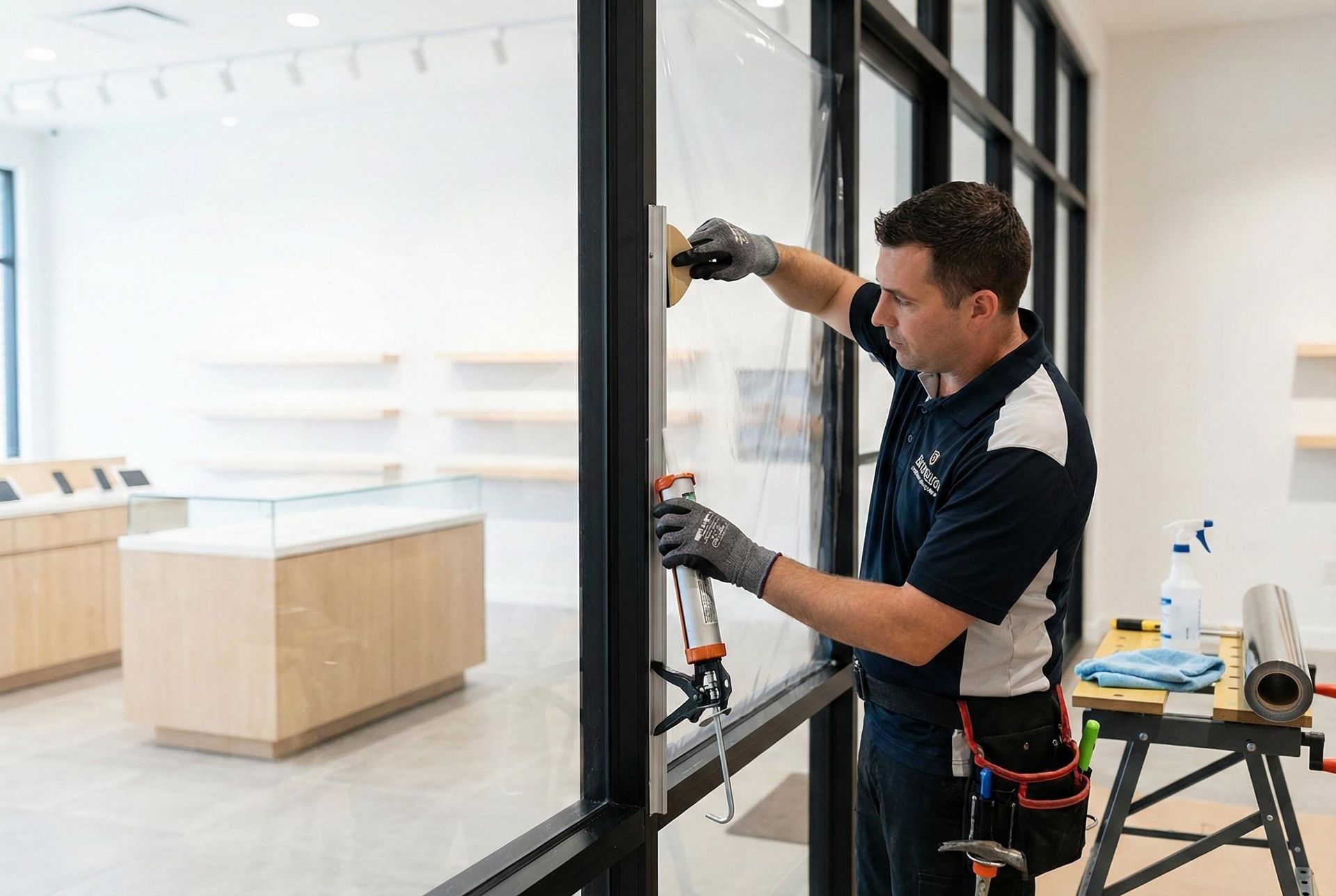
Retailers across Orlando are thinking more about glass security, and for good reason. Smash-and-grab theft, surprise break-ins, and flying debris during late summer storms can all target the same weak spot: the front windows and doors. Security window film gives that glass a big upgrade without turning your store into a bunker.
In this guide, we will walk through how security window film works, what impact ratings matter, and how to stay on the right side of codes, leases, ADA rules, and insurance paperwork. The goal is simple: stronger storefronts that stay open, look good, and pass inspections without slowing down your business.
Secure Storefronts Without Slowing Down Business
Orlando shopping areas stay busy, even when the weather forecast turns rough or holiday crowds pick up. Late summer brings both hurricane threats and more foot traffic, which can mean more risk of storm damage and theft at the same time.
Glass doors and large front windows are usually the first target. Without the right protection, thieves can smash, grab, and be gone before anyone reacts. Storm winds can also send debris into those same panes, leaving broken glass to clean up and repairs that keep doors closed.
Security window film helps you:
- Strengthen your weakest surface, the glass
- Keep a clear, open look for displays and natural light
- Add safety without blocking customers from coming and going
The smart move is not just adding security, but doing it in a way that fits building codes, lease rules, ADA visibility needs, and insurance expectations.
What Security Window Film Really Does for Your Storefront
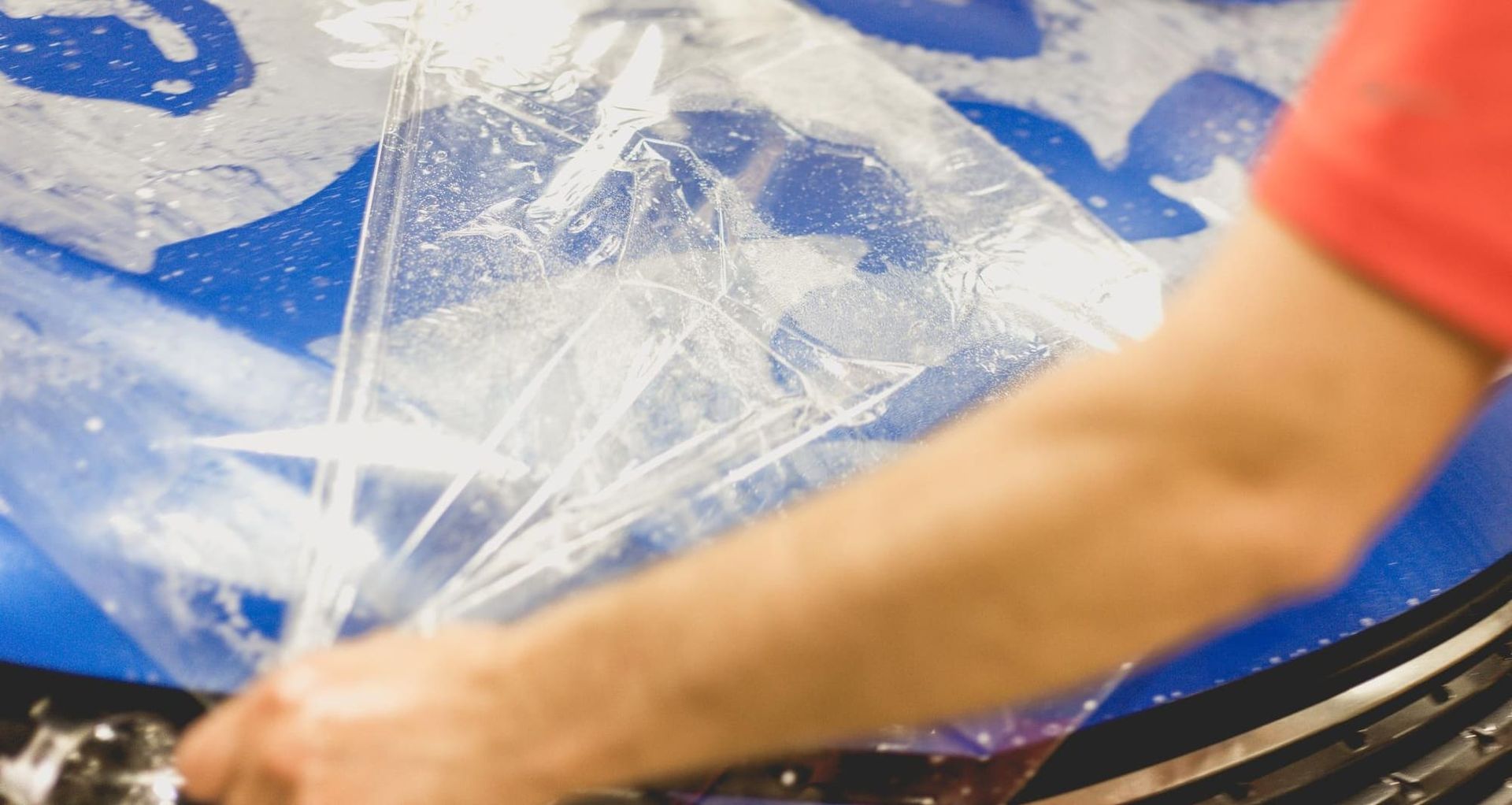
Security window film is a clear or lightly tinted layer that bonds to the interior surface of the glass. When the glass is hit, the film helps hold the shards together instead of letting them fall or fly across the floor.
That matters during:
- Smash-and-grab attempts
- Accidents at the door or front windows
- Windblown debris during storms
Standard window tint is usually thinner and made mainly for comfort and style. It can help with heat and glare, but it is not designed to handle serious impact. Security and safety films are thicker and built to resist tearing, so when glass breaks, the film helps it stay in place longer.
For Orlando retail locations, security film can also bring useful everyday perks:
- UV protection that helps reduce fading of signs, displays, and merchandise
- Glare control so staff and customers can see screens and shelves more clearly
- Heat reduction that helps AC work more efficiently in late summer sun
With the right product choice, your storefront can look clear and welcoming while still giving your glass real backup.
Impact Ratings and Florida Code Basics Retailers Must Know
Impact ratings and safety standards can sound confusing, but they come down to one main question: How does the glass system behave when something goes wrong?
Common standards you may see on product data sheets include:
- ANSI and similar safety glass standards; these focus on how glass breaks and how shards are contained
- CPSC categories for safety glazing, often tied to doors, sidelites, and other areas where people might walk into the glass
- Specialty tests, such as forced entry or blast-related testing, that look at how long the glass and film system can resist repeated hits or pressure
In Florida, building rules pay close attention to hurricane risks and wind-borne debris zones. Some openings may require safety glazing, and certain glass types or locations might call for stronger systems that include both film and an attachment method that anchors the filmed glass to the frame.
A professional dealer can:
- Check what type of glass you have and how it is framed
- Recommend film thickness and any needed attachment system for your storefront
- Help align film performance with local expectations for storm and impact behavior
When film, glass, and frames work together as a system, you get better performance and better odds of staying in line with code requirements.
Working with Landlords, Inspectors, and ADA Requirements
Most retail tenants do not own the building they occupy, so landlord approval is a big part of any storefront change. Security film projects often need written consent, especially in shopping centers with a set look or shared glass systems.
It helps to be ready with:
- Product specifications and technical data
- Samples so property managers can see the look in person
- Warranty information that shows long-term support
ADA and life safety rules are just as important. Your front doors and exit paths must stay easy to see and easy to use. That means:
- Keeping required egress doors free of dark or reflective films that make it hard to see in and out
- Making sure exit signs and sight lines to doors are not blocked or overly mirrored
- Leaving glass markings visible at eye and lower levels so visually impaired customers can tell where doors and sidelites begin
Inspectors and fire marshals may also pay attention to how glass looks around entries. Too dark or highly reflective film on doors can raise questions, especially when it hides activity inside. Clear or lightly tinted safety films are often a better fit at eye-level glass around entrances.
Good documentation and a clear plan up front help keep landlords, inspectors, and store staff comfortable with the upgrade.
Turning Security Upgrades Into Insurance and POS Wins
Security window film is not just about stopping damage; it can also help you show that you are taking risk reduction seriously. That can matter when you talk with your insurance carrier about break-ins or storm claims.
Useful paperwork to keep on file includes:
- Product data sheets that show safety and impact testing
- Installation records that list which glass panels were treated
- Any test reports related to forced entry, impact, or safety glazing
- Date-stamped photos of the storefront before and after installation
With these records ready, you are better prepared if an adjuster asks how your glass was protected before an incident.
You can also turn that upgrade into peace of mind at the point of sale. Simple decals or window messages that say the glass is protected can make staff and customers feel more secure, especially during late-night hours or busy holiday shopping times. If glass does break, film can help hold it together so cleanup is quicker and downtime is shorter.
Partnering with a Local Expert for Fast, Compliant Upgrades
The best time to strengthen your glass is before peak storm tracks shift closer and before holiday buying pushes your team into rush mode. Planning ahead gives you space to review leases, talk with property managers, and line up any inspection questions.
A local specialist that works with auto, home, and commercial glass in Central Florida brings a few key advantages: regular experience with Orlando-area storefronts, a feel for what local officials watch for, and hands-on knowledge of how different film systems perform on real glass types.
When you are ready to look at security window film for your storefront, a thorough site visit should include a walk-through of your doors and windows, checking frames and seals, noting any ADA and egress issues, and reviewing lease and building rules so everyone is on the same page. From there, a clear written plan can tie everything together, security goals, appearance, and compliance, so your glass works harder without getting in the way of daily business.
Get Started With Your Project Today
Protect what matters most with our professionally installed
security window film tailored to your home or business. At
Velocity Window Tinting, we assess your property, discuss your goals, and recommend the right solutions for your unique needs.
Reach out today so we can help you enhance safety, reduce risk, and add lasting peace of mind with a clean, expert installation.