What Is the Best Tint for Florida Summer Driving?
Florida summers can make even short drives uncomfortable. Between intense sunlight, high humidity, and vehicles sitting in parking lots for hours, drivers frequently deal with hot seats, scorching dashboards, uncomfortable glare, and air-conditioning systems working overtime.
The best window tint for Florida summer driving is a high-performance nano-ceramic film that offers strong total solar heat rejection, excellent UV protection, and a shade that complies with Florida law. For drivers who prioritize maximum heat rejection, LLumar FormulaOne Stratos is a premium option, while FormulaOne Pinnacle delivers an excellent balance of performance, appearance, and comfort.
For drivers in Sanford, Orlando, Lake Mary, Altamonte Springs, and surrounding Central Florida communities, choosing the right automotive window film can make everyday driving considerably more comfortable.
Velocity Window Tinting, a Sanford-based LLumar SelectPro dealer serving Central Florida since 1995, offers premium automotive tint solutions, including FormulaOne Stratos, Pinnacle, Comfort, Classic, and LLumar AIR.
This guide compares the best window tint technologies for Florida heat, explains legal tint percentages, and helps drivers choose the right film for their vehicles and budgets.
Why Is Window Tint So Important for Florida Summer Driving?
Central Florida's climate creates challenging conditions for vehicle interiors.
During summer, intense sunshine and high outdoor temperatures can cause significant heat buildup inside parked cars.
Automotive glass allows solar energy to enter the cabin, where interior surfaces absorb energy and increase in temperature.
Solar Heat Makes Vehicle Interiors Uncomfortable
Sunlight contains visible light, ultraviolet radiation, and infrared energy.
These components contribute differently to the overall heating and deterioration of vehicle interiors.
High-performance solar-control window films manage incoming solar energy, helping reduce the heat transmitted through treated glass.
This can improve comfort during driving, although tint cannot prevent a parked vehicle from becoming dangerously hot.
UV Exposure Can Damage Vehicle Interiors
Prolonged UV exposure contributes to fading and deterioration of dashboards, leather, upholstery, and interior trim.
Premium LLumar automotive films can block approximately 99% or more of harmful UV radiation, depending on the product.
UV protection also helps reduce occupants' exposure to sunlight through treated windows.
Glare Makes Summer Driving Less Comfortable
Bright afternoon sunshine can create uncomfortable glare, particularly on exposed roads and highways.
Properly selected window tint reduces visible brightness while maintaining suitable outward visibility.
The ideal shade should provide daytime comfort without making nighttime or rainy-weather driving unnecessarily difficult.
What Is the Best Type of Window Tint for Florida Heat?
Automotive window films are available in several technologies, each offering different benefits.
For Florida drivers, the most important difference is how effectively the film manages solar energy.
1. Nano-Ceramic Tint: Best Overall for Summer Heat
Nano-ceramic window tint uses advanced ceramic particles to help manage solar energy without relying on metallic construction.
Premium ceramic films can deliver substantial infrared and total solar heat rejection while maintaining relatively high visible light transmission.
Key benefits include:
- Strong solar heat rejection
- Excellent UV protection
- Reduced daytime glare
- Nonmetallic construction
- Long-term color stability
- Multiple available shades
Ceramic films are particularly suitable for drivers who spend significant time commuting or frequently park outdoors.
2. Metallized Tint: Effective Solar Control
Metallized window films incorporate thin metallic layers to reflect portions of solar energy.
They can provide effective heat rejection and a distinctive appearance.
However, some metallic constructions can interfere with radio-frequency signals, depending on the product and vehicle.
For drivers using navigation systems, connected devices, or other electronics, nonmetallic ceramic film may be preferable.
3. Dyed Tint: Best for Basic Appearance and Glare Reduction
Dyed window tint primarily reduces visible light transmission and changes the appearance of the glass.
It can improve privacy and reduce brightness at a lower initial cost.
However, basic dyed products generally offer less advanced solar-control performance than premium ceramic films.
For drivers prioritizing heat rejection rather than darkness alone, upgrading to ceramic film is often worthwhile.
Best LLumar Window Tint Options for Florida Summers
Velocity Window Tinting offers premium FormulaOne automotive films designed for different comfort, appearance, and performance priorities.
FormulaOne Stratos: Best for Maximum Heat Rejection
LLumar FormulaOne Stratos is positioned as the highest heat-rejecting option in the FormulaOne automotive lineup.
Its advanced hybrid-matrix nano-ceramic construction uses concentrated heat-absorbing particles to help manage incoming solar energy.
Depending on shade and testing conditions, Stratos can reject up to 63% of total solar energy.
Additional benefits include approximately 99% UV protection, glare reduction, a refined appearance, and nonmetallic construction.
Stratos is especially relevant for drivers who frequently commute between Sanford and Orlando or leave their vehicles exposed to direct sunlight.
It also carries an applicable transferable lifetime limited warranty.
FormulaOne Pinnacle: Best Balance of Performance and Value
FormulaOne Pinnacle is another premium nano-ceramic option offered by Velocity Window Tinting.
It provides excellent solar heat rejection, UV protection, and glare control without the signal-interference concerns associated with certain metallic films.
Pinnacle is particularly well suited to drivers seeking advanced ceramic performance without necessarily choosing the highest tier.
Its available shades also allow customers to balance privacy, appearance, and visibility.
FormulaOne Comfort: A Practical Midrange Option
FormulaOne Comfort offers an alternative for drivers who want improved solar control, reduced glare, and lasting color performance.
It can appeal to customers looking for meaningful improvements over basic dyed film while considering their overall installation budget.
Exact performance should be evaluated using the manufacturer's specifications for the selected shade.
LLumar AIR: Best for a Nearly Clear Appearance
LLumar AIR is designed for drivers who want solar-control and UV-protection benefits without significantly darkening their windows.
Its nearly clear appearance makes it attractive for maintaining a vehicle's original styling.
However, even nearly transparent film must comply with Florida's applicable window tint restrictions.
Drivers should never assume that clear automotive film is automatically approved for every windshield application.
Florida Summer Window Tint Comparison
| Film option | Main advantage | Ideal customer |
|---|---|---|
| FormulaOne Stratos | Highest FormulaOne heat-rejection positioning | Maximum comfort and performance |
| FormulaOne Pinnacle | Premium ceramic performance | Balanced daily driving comfort |
| FormulaOne Comfort | Practical solar control | Midrange performance priorities |
| FormulaOne Classic | Color-stable dyed film | Appearance and basic glare reduction |
| LLumar AIR | Nearly clear solar and UV protection | Drivers who prefer minimal darkening |
Performance varies by shade and glass configuration.
Homeowners and drivers comparing these products should request current film specifications rather than relying exclusively on general product descriptions.
Does Darker Window Tint Block More Heat?
Not necessarily.
One of the biggest misconceptions about automotive tint is that darker glass always provides greater heat protection.
Tint darkness is measured using Visible Light Transmission, or VLT.
A 20% VLT film transmits less visible light than a 50% VLT film.
However, VLT does not directly measure total solar heat rejection.
A lighter premium ceramic film may reject more solar energy than a darker basic dyed film.
What Is Total Solar Energy Rejected?
Total Solar Energy Rejected, or TSER, represents the percentage of total incoming solar energy rejected by the glazing system under specified testing conditions.
It is one of the most useful measurements when choosing window tint for Florida heat.
For an accurate comparison, evaluate TSER ratings under consistent conditions.
What Is Infrared Rejection?
Infrared rejection describes a film's ability to reduce certain infrared wavelengths.
This measurement is frequently highlighted in ceramic window tint marketing.
However, infrared rejection percentages may refer to different wavelength ranges.
A very high infrared rejection claim does not automatically mean an equally high percentage of total solar heat is rejected.
For Sanford drivers comparing products, TSER, UV rejection, visible light transmission, and manufacturer testing specifications provide a more complete picture.
What Tint Percentage Is Legal in Florida in 2026?
Florida window tint laws establish different limits depending on the window location and vehicle classification.
According to Florida Statutes Sections 316.2953 and 316.2954, aftermarket tint must satisfy specified light transmission and reflectivity requirements.
Florida Automotive Tint Limits
| Window location | Passenger cars | Qualifying multipurpose passenger vehicles |
|---|---|---|
| Front side windows | At least 28% VLT | At least 28% VLT |
| Rear side windows | Generally at least 15% VLT | Certain exemptions allow darker tint |
| Rear windshield | Generally at least 15% VLT | As low as 6% VLT where permitted |
The law also restricts reflectivity.
Front side windows must not exceed 25% visible-light reflectance, while applicable rear-window limits include a 35% reflectance maximum.
Importantly, VLT applies to the completed film-and-glass combination.
A film labeled 30% may produce a lower final reading after installation on existing factory glass.
Is Windshield Tint Legal in Florida?
Which Window Tint Is Best for Different Florida Drivers?
The ideal film depends on driving habits, vehicle design, and personal priorities.
Daily Commuters
Drivers regularly traveling along I-4, SR 417, or surrounding Central Florida roads may benefit from premium ceramic tint.
FormulaOne Pinnacle or Stratos can help manage sunlight and glare during prolonged daily driving.
SUV and Truck Owners
Larger vehicles often have substantial glass areas.
Premium solar-control film can improve comfort in vehicles with large side windows and expansive passenger compartments.
Factory privacy glass may already darken rear windows, but it does not necessarily provide the same solar-control performance as advanced aftermarket film.
Luxury and Performance Vehicle Owners
Drivers seeking premium aesthetics and high-end heat rejection may prefer FormulaOne Stratos.
Its refined appearance and advanced ceramic construction complement vehicles where maintaining interior comfort and original styling is important.
Drivers Who Prefer Clear Glass
LLumar AIR may suit customers who prioritize UV protection and solar-control improvements without significant visible darkening.
Legal compliance and compatibility must still be confirmed.
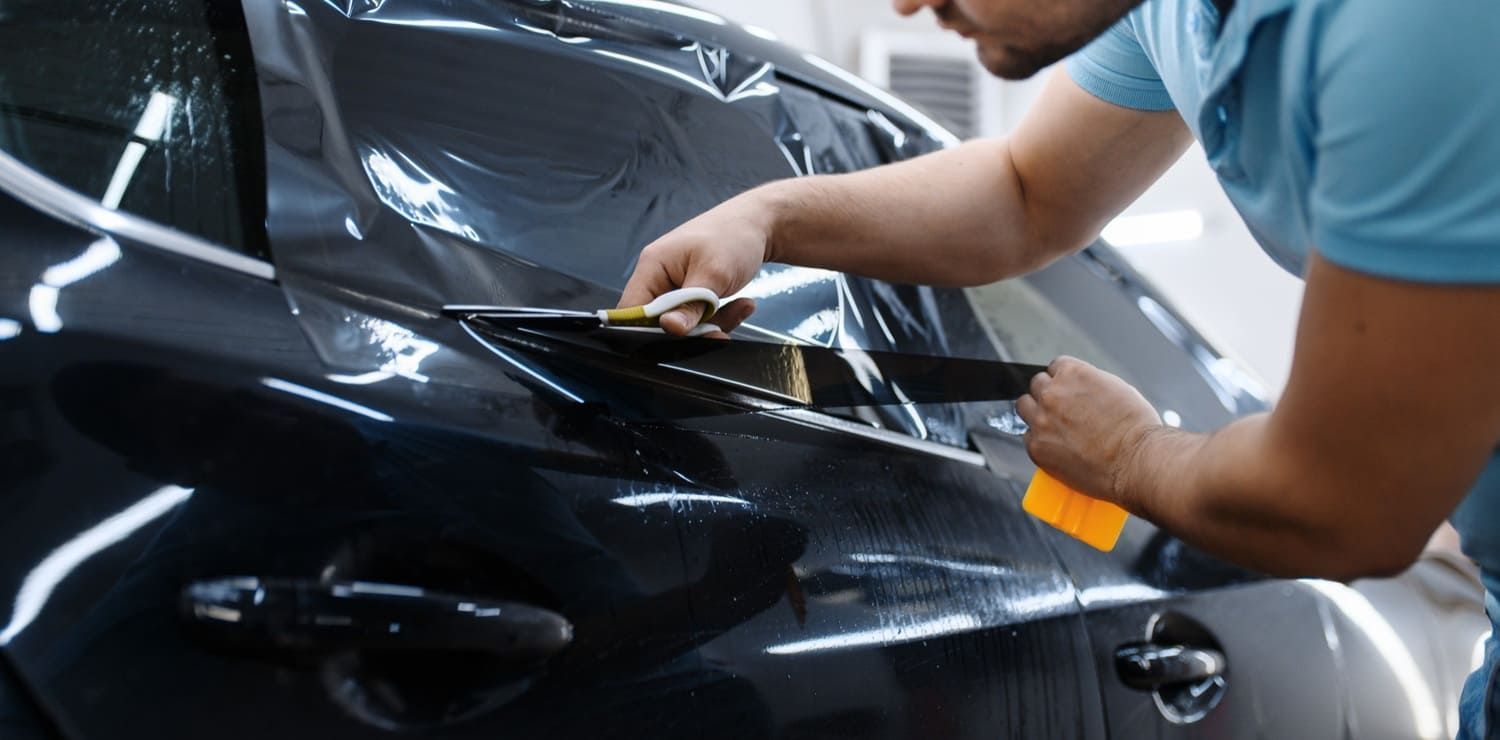
What Happens During Professional Ceramic Tint Installation?
Professional installation influences the finished appearance and long-term performance of automotive film.
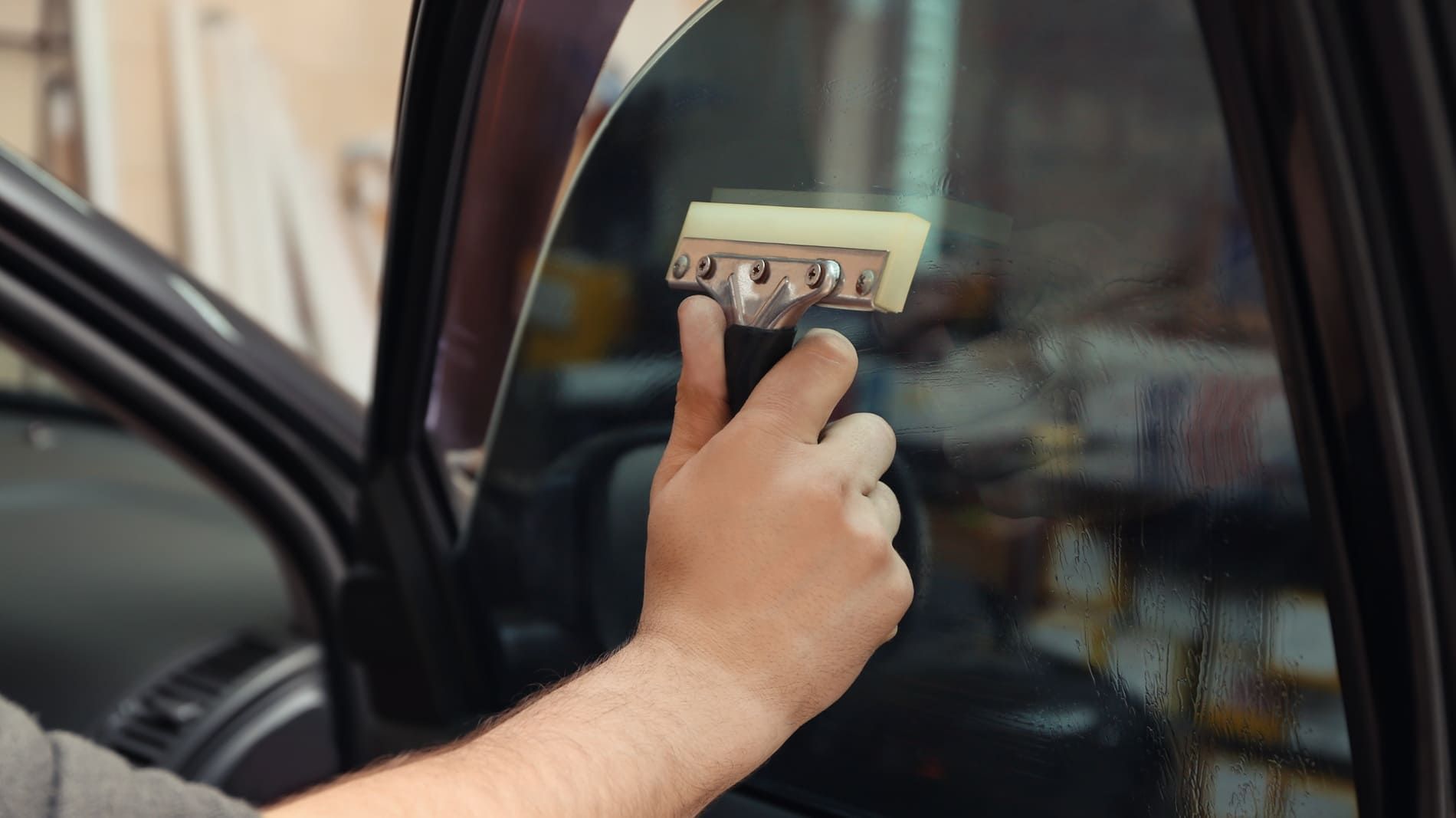
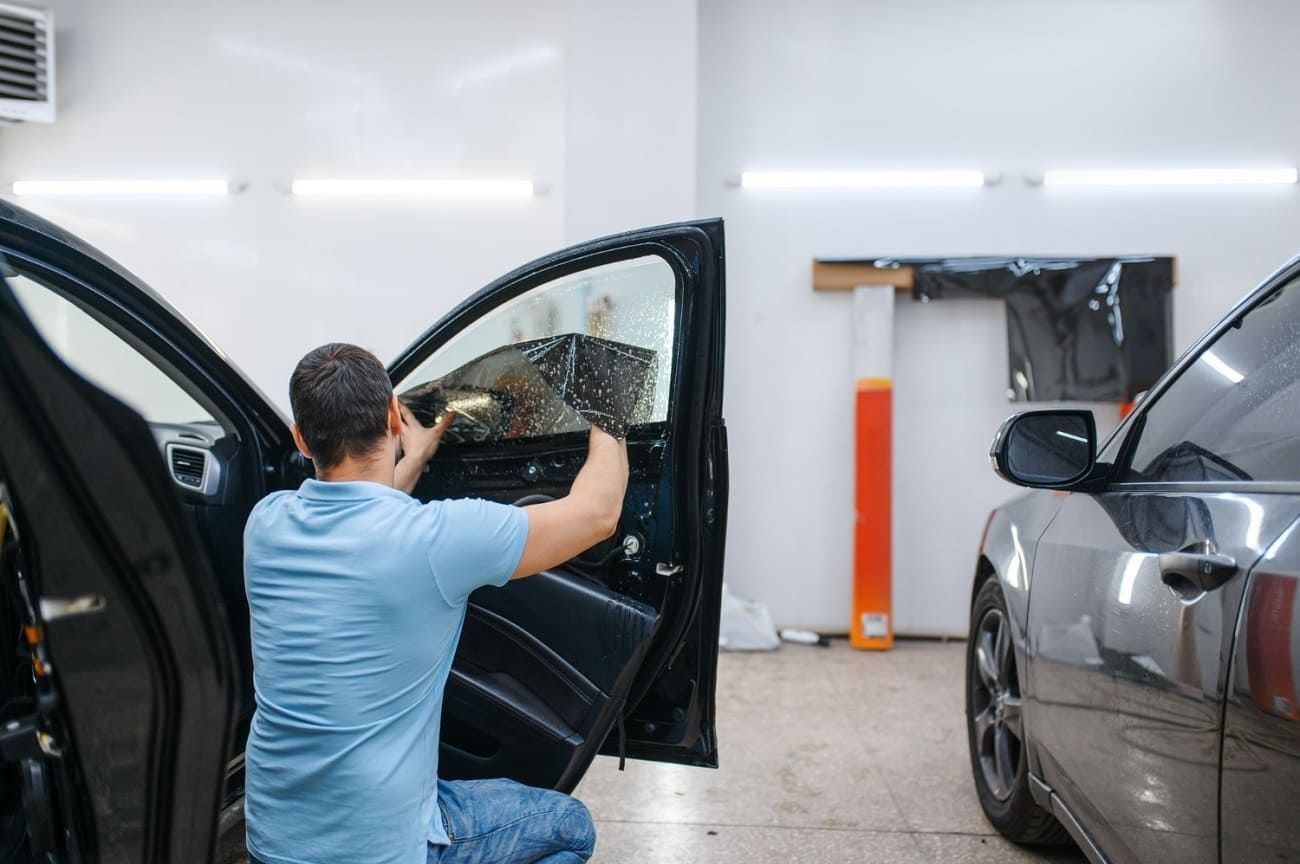
At Velocity Window Tinting, the process includes evaluating vehicle requirements, selecting film and shade options, preparing the glass, and applying the chosen material.
Step 1: Review the Vehicle
An installer identifies the vehicle's glass configuration, factory tint, existing film, and customer priorities.
Step 2: Choose Film and Shade
Available ceramic products are compared based on heat rejection, UV protection, appearance, and legal compliance.
Step 3: Prepare the Glass
Windows are thoroughly cleaned to reduce contamination and help create a uniform adhesive bond.
Existing deteriorated tint may need professional removal.
Step 4: Install and Finish the Film
The selected film is carefully positioned, applied, and finished around the glass edges.
The installer then explains curing requirements, maintenance recommendations, and warranty conditions.
How Much Does Ceramic Window Tint Cost in Sanford, Florida?
Ceramic window tint typically costs more than basic dyed film because of its advanced construction and solar-control capabilities.
However, pricing varies according to the vehicle, coverage, selected product, and installation complexity.
Factors influencing the final quote include:
- Vehicle make and model
- Number and size of windows
- Ceramic film series
- Removal of existing tint
- Installation requirements
- Additional glass coverage
FormulaOne Stratos generally represents a higher-end option, while Pinnacle and other products offer alternative performance and budget combinations.
Velocity Window Tinting provides free automotive tint estimates and offers eligible mobile installation services.
Rather than choosing solely on initial price, drivers should compare manufacturer specifications, warranty terms, and installer experience.
Why Choose Velocity Window Tinting in Sanford?
Velocity Window Tinting has served Central Florida since 1995, providing automotive, residential, and commercial window tinting, along with paint protection film services.
Located in Sanford, the company serves customers throughout Seminole, Orange, Lake, and Volusia counties.
As an exclusive LLumar SelectPro dealer, Velocity offers premium FormulaOne automotive films, including Stratos and Pinnacle ceramic options.
The company emphasizes professional film selection, careful preparation, installation workmanship, and customer aftercare.
Its services also include old tint removal, mobile automotive tinting in qualifying locations, and LLumar paint protection film.
For drivers looking to improve vehicle comfort during Florida summers, Velocity can help compare available film technologies and select appropriate coverage.
Frequently Asked Questions About Florida Summer Window Tint
What is the best window tint for blocking Florida heat?
Premium nano-ceramic tint is generally an excellent choice because it can provide substantial solar heat rejection without requiring extremely dark glass. FormulaOne Stratos is designed for customers prioritizing the highest FormulaOne heat-rejection performance.
Is ceramic tint worth the extra money in Florida?
It can be, particularly for drivers who spend significant time in the sun. Ceramic tint offers advanced solar-control benefits, UV protection, reduced glare, and nonmetallic construction. The value depends on driving habits and budget.
Is 20% tint legal in Florida?
Twenty-percent tint generally does not meet Florida's 28% minimum VLT requirement for front side windows. Certain rear-window applications have different limits depending on vehicle classification.
Does ceramic tint keep parked cars cool?
Ceramic tint can reduce solar heat entering through treated glass, but it cannot prevent dangerous temperature increases in parked vehicles. Never leave children or pets in unattended vehicles.
Can ceramic tint interfere with GPS or cellphone signals?
Nonmetallic ceramic films generally avoid the radio-frequency interference associated with certain metallized products. Vehicle-specific equipment and film compatibility should still be considered.
How long does ceramic window tint last?
Premium ceramic films can last many years with proper installation and care. Longevity depends on the product and conditions. FormulaOne Stratos and Pinnacle include applicable transferable lifetime limited warranty coverage.
Is lighter ceramic tint effective against heat?
Yes. High-performance ceramic films can provide meaningful solar heat rejection even at higher VLT levels. Compare TSER and other technical specifications rather than selecting darkness alone.
Get the Best Window Tint for Florida Summer Driving
For drivers facing intense Central Florida sunshine, high-performance ceramic window tint offers an effective combination of heat rejection, UV protection, glare reduction, and attractive styling.
FormulaOne Stratos is an excellent premium choice for maximum heat rejection, while Pinnacle offers a strong balance of comfort and performance. Other LLumar options may better suit drivers who prioritize budget or a lighter appearance.
The best result comes from matching film technology and shade to the vehicle, driving habits, and Florida's legal requirements.
For drivers in Sanford, Orlando, Lake Mary, Altamonte Springs, Longwood, Deltona, and surrounding Central Florida communities, Velocity Window Tinting provides professional automotive tint installation with premium LLumar products.
Whether you're upgrading existing tint or protecting a new vehicle from Florida's summer heat, professional guidance can help you make the right choice.
Contact Velocity Window Tinting for a free automotive window tint estimate.
Phone: (407) 383-3363
Email: velocitytint77@gmail.com
Address: 647 Progress Way, Sanford, FL 32771
Website: https://www.velocitytinting.com/
Recent Posts

Can Security Film Help Protect Florida Storefronts? What Central Florida Business Owners Should Know