Does Window Tint Affect GPS, 5G, or Vehicle Sensors?
Modern vehicles run on wireless communication and advanced safety tech. Your phone connects to the car through Bluetooth, your navigation relies on GPS satellites and cellular data, and many newer models use driver assistance systems that look through the windshield with cameras and sensors. With so much technology in play, it is understandable that Sanford, FL drivers ask:
does window tint affect GPS, 5G, or vehicle sensors? Confusion is often fueled by outdated myths from the era of older metallic
window tint, which could reduce signal strength in some situations. Today, window film technology has evolved. High-performance non-metallic films can deliver major heat rejection and UV protection for Florida driving while remaining electronics-friendly when properly selected and installed. This guide explains how vehicle signals work, which tint types can create interference, and why modern ceramic options are widely chosen for technology-equipped vehicles.

Table of Contents
1. How GPS, 5G, Bluetooth, and Sensors Work
2. Why Older Metallic Tint Caused Interference
3. Dyed vs Carbon vs Metallic vs Ceramic Films
4. Why Ceramic Tint Stays Electronics-Friendly
5. Windshield Tint and ADAS Camera Compatibility
6. Florida Benefits: Heat, UV, and Glare Relief
7. Why Pro Installation Protects Compatibility
1. How GPS, 5G, Bluetooth, and Sensors Work
Before you can evaluate whether tint can interfere with technology, it helps to understand what is actually communicating, how it communicates, and where the antennas and sensors live in a modern vehicle. Different systems use different frequencies and different hardware. That is why a single rule like “tint blocks signals” is too simplistic.
GPS navigation
GPS works by receiving signals from satellites. Your vehicle’s head unit may rely on a GPS antenna, your phone relies on its own antenna, and many systems blend GPS with cellular data and inertial sensors to improve accuracy. GPS is a receive-only system. It does not need to transmit back to the satellites. Anything that blocks or reflects the signal between the sky and the receiver can reduce performance, especially in challenging environments like parking garages, dense trees, or urban corridors.
5G and cellular service
5G is a group of cellular bands, not one single frequency. In Central Florida, your phone may connect on different bands depending on the carrier, tower availability, and congestion. In general, cellular performance is most affected by distance to the tower, building materials, and the vehicle body structure. Window film is one variable, but it is rarely the biggest one compared with environmental and network factors.
Bluetooth and in-car connectivity
Bluetooth is short-range communication between devices, usually inside the cabin. It is typically robust because the transmitter and receiver are close and usually do not need to communicate through multiple layers of glass to reach a cell tower. If you experience Bluetooth problems, the cause is often device pairing, software, power management settings, or head unit issues rather than tint.
Satellite radio and keyless entry
Satellite radio receivers and antennas may be mounted on the roof, near the rear glass, or integrated into vehicle electronics. Keyless entry and push-button start systems use a combination of low-frequency and higher-frequency communication between the key fob and the vehicle. Most issues in these systems come from battery health, fob condition, interference sources nearby, or vehicle antenna placement.
ADAS cameras and vehicle sensors
Advanced Driver Assistance Systems often use forward-facing cameras near the rearview mirror, radar sensors behind body panels, ultrasonic sensors in bumpers, and sometimes lidar or other sensors depending on the brand. Some ADAS components look through the windshield. Others do not. That means windshield tint deserves special attention, while side window tint is typically not directly in the optical path of the forward camera system.
Where antennas and sensors may be located
| System | Typical hardware | Common location | Could window film matter? |
|---|---|---|---|
| GPS | Receiver antenna | Dash, roof module, or head unit | Sometimes, especially windshield area |
| 5G and LTE | Phone antennas | Inside phone | Rarely the primary factor |
| Bluetooth | Cabin transceivers | Inside car and phone | Unlikely |
| Satellite radio | Roof or rear antenna | Roof fin or rear glass area | Sometimes, depending on antenna path |
| Keyless entry | Vehicle antenna modules | Door handles, cabin, trunk | Unlikely |
| ADAS cameras | Optical camera | Windshield near mirror | Yes, if film affects clarity or camera area |
2. Why Older Metallic Window Tint Caused Interference
Many signal-interference stories come from older tint constructions that used metallic layers. In basic terms, metal can reflect or absorb certain radio frequencies. When metal is incorporated into a film, it can behave like a partial shield. That can reduce signal strength, create inconsistent reception, or cause dropouts, particularly if the film covers a large surface area and the antenna needs to receive from outside the vehicle.
This is why searches like window tint 5G interference and does window tint affect GPS keep trending. Drivers hear a story, then assume all tint behaves the same. It does not.
Common symptoms reported with metallic films
- Reduced GPS lock speed or accuracy in certain conditions
- Lower cell signal bars inside the cabin in fringe coverage areas
- Satellite radio dropouts in areas where it previously worked
- Intermittent issues that vary by direction of travel and sun angle
Even here, it is important to be realistic. Vehicles already contain metal structures that affect signals. Roof pillars, tinted privacy glass, heated windshields, and embedded antennas can all influence reception. Metallic film can be one factor, but it is not the only one.
3. Dyed vs Carbon vs Metallic vs Ceramic Films
To choose an electronics-safe tint, you need to know the differences in film technology. Film names are often used loosely in marketing, but the underlying construction determines performance and signal compatibility.
Dyed film
Dyed film uses dye to absorb visible light and reduce glare. It can help with privacy and appearance, but it is not typically the top option for Florida heat rejection. It is usually electronics-friendly because it is not metal-based.
Carbon film
Carbon films often improve color stability and performance compared with basic dyed films. They can
reduce heat better than dyed options and typically remain non-metallic.
Metallic film
Metallic films use metal layers to reflect solar energy. They can provide heat management but may be more likely to introduce signal issues because of the metal content. If a driver is specifically concerned about interference, metallic is usually the film type to avoid.
Ceramic and nano ceramic film
Ceramic window tint uses non-metallic ceramic particles engineered to reject infrared heat while maintaining high clarity. Nano ceramic is a refinement where very small particles are used to improve performance and optical quality. For most modern vehicles, ceramic is the go-to option when you want high heat rejection without electronics concerns.
Comparison table: film type, performance, and compatibility
| Film type | Signal compatibility | Heat rejection potential | UV protection | Best for |
|---|---|---|---|---|
| Dyed | High | Low to medium | Good with quality film | Budget shading and privacy |
| Carbon | High | Medium | Good to very good | Balanced performance and cost |
| Metallic | Variable to lower | Medium | Good | Reflective heat management |
| Ceramic | High | High | Very high | Florida heat, clarity, electronics-friendly |
| Nano ceramic | High | High | Very high | Top comfort with minimal signal risk |
4. Why Ceramic Tint Stays Electronics-Friendly
When drivers ask about vehicle sensor window tint issues , they are often deciding between a cheaper film and a premium option. Ceramic is premium because it targets the real comfort problem in Florida: infrared heat and UV exposure. At the same time, ceramic is typically non-metallic, which is the key reason it is widely viewed as electronics-friendly.
In practical terms, a high-performance ceramic film is designed to do three things well:
- Reject infrared heat so the cabin stays cooler and the A/C does not have to work as hard
- Block UV exposure to protect skin and reduce interior fading and cracking
- Maintain optical clarity so visibility stays crisp, especially at night
Because ceramic films do not rely on metal layers to perform, they are far less likely to create the shield effect associated with older metallic films. That is why most people who search does window tint affect GPS ultimately land on ceramic as the safest default choice.
What about 5G specifically?
5G uses multiple bands, including lower bands that behave more like traditional cellular and higher bands that can be more easily blocked by obstacles. In most day-to-day driving, the biggest factors for 5G performance are network coverage and congestion, not window film. If you choose a non-metallic ceramic film, the tint itself is typically not the limiting factor.
Clarity and signal are both part of “electronics-safe”
With ADAS cameras and driver monitoring becoming more common, the definition of safe tint is broader than “does it block a radio signal.” It also includes optical quality. A poor film or poor install can add haze and distortion. That can affect camera views and create night glare that feels worse than the sun glare you were trying to solve.
5. Windshield Tint and ADAS Camera Compatibility
Windshield tint is where technology and compliance overlap the most. In Florida, rules often allow a non-reflective strip above the AS-1 line, and other limits apply depending on glass position. Because the windshield is the primary viewing surface for the driver and for forward cameras, you should treat it differently than side and rear windows.
ADAS camera areas and sensor zones
Many vehicles have a camera module behind the rearview mirror that looks through a specific part of the windshield. Some vehicles also have rain sensors, light sensors, or driver monitoring sensors. A quality installer will identify these zones and ensure the film is installed with the correct cutouts or compatible coverage, depending on the vehicle and the film type.
Best practice: clarity-first on the windshield
If you are tinting the windshield, choose a film designed for high optical clarity and avoid anything reflective. If your main goal is heat reduction rather than darkness, a clear or very light ceramic option can provide comfort while maintaining visibility. This is where professional guidance matters most.
Windshield compatibility checklist
- Confirm the vehicle’s ADAS camera location and coverage area
- Use a high-clarity film with low haze and low distortion
- Confirm compliance with Florida windshield tint rules
- Verify no bubbling, contamination, or edge lift near sensors
6. Florida Benefits: Heat, UV, and Glare Relief
In Sanford and surrounding Central Florida communities, the decision to tint is usually driven by comfort and protection. Heat is the top complaint, followed by glare and UV exposure. High-performance tint can provide meaningful
benefits, especially when you choose a modern non-metallic film that does not raise electronics concerns.
Heat rejection in real driving
Florida sun can make dashboards and seats painfully hot. A quality ceramic film can reduce the solar load entering through side and rear glass. That often translates into faster cool-down after parking and less A/C strain during long drives.
UV protection and interior preservation
UV exposure contributes to fading and cracking, especially on leather and plastics. Even if you park in shade, your interior is exposed every time you drive. Blocking UV helps protect upholstery and can reduce sun-related skin exposure during commutes.
Glare reduction for safer comfort
Glare from low-angle sun, wet roads, and reflective surfaces can create eye strain. Tint can reduce glare, but the film choice and VLT level must balance visibility and comfort. Many drivers find that a moderate shade combined with ceramic performance provides the best overall experience.
Performance snapshot (conceptual)
Exact values vary by product line and shade. Use this table as a decision framework and confirm specific specs with your installer.
| Goal | What to prioritize | Why it matters in Sanford, FL |
|---|---|---|
| Cooler cabin | High infrared heat rejection | Less heat soak and less A/C load |
| Protect interior | Strong UV blocking | Helps reduce fading and cracking |
| Reduce glare | Balanced VLT and clarity | Comfort without harming night visibility |
| Electronics-friendly | Non-metallic construction | Avoids the classic metallic interference concerns |
7. Why Pro Installation Protects Compatibility and Compliance
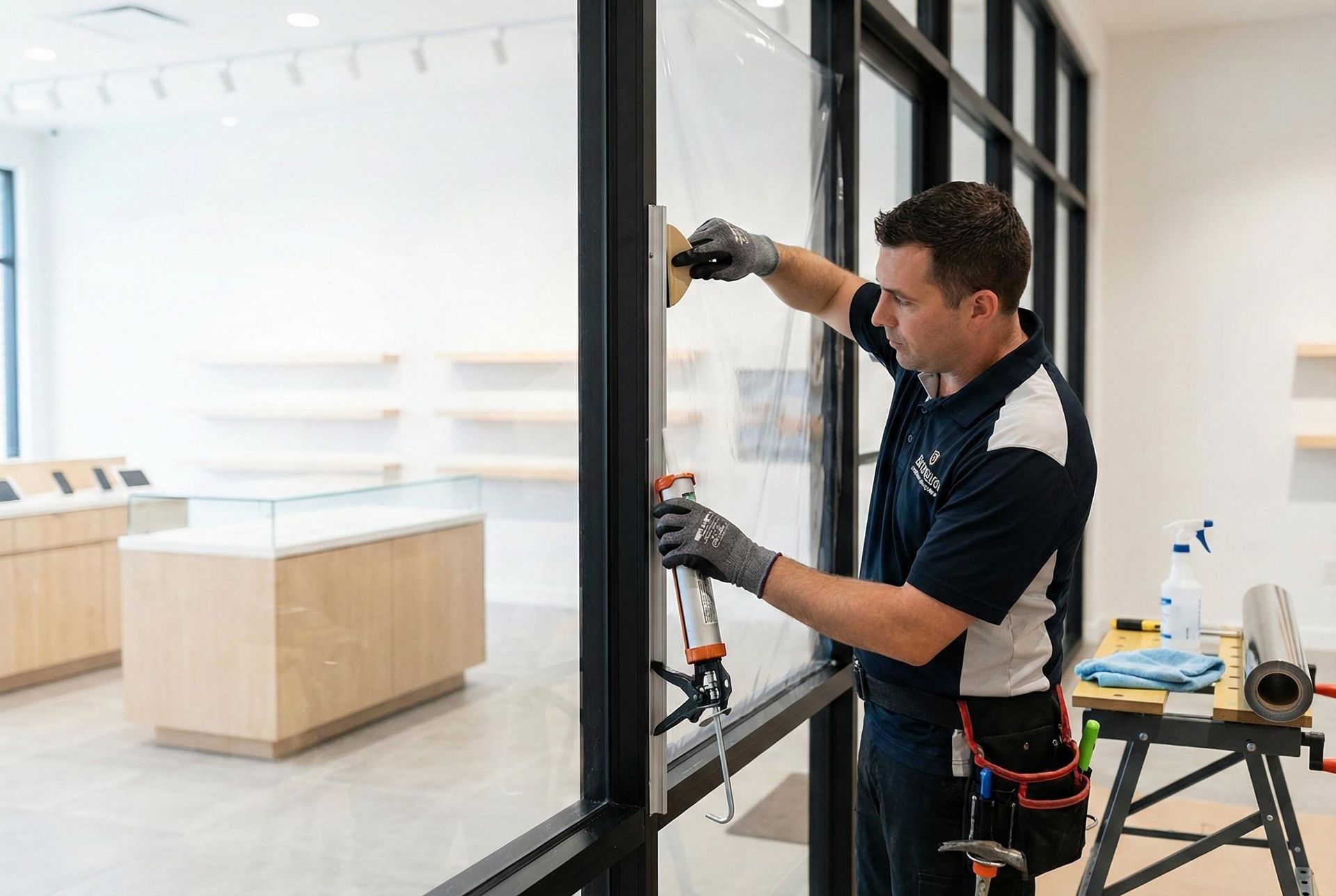
Even the best film can perform poorly if it is installed incorrectly. For modern vehicles, professional installation matters for electronic compatibility, optical clarity, and Florida legal compliance.
Electronic compatibility is about placement and finish
Most “interference” problems blamed on tint are actually installation or product selection problems. Examples include putting the wrong film on the windshield, failing to respect camera areas, or using a reflective film that increases glare and reduces sensor visibility. A professional installer will choose an electronics-friendly film and apply it correctly for your vehicle.
Clarity is safety
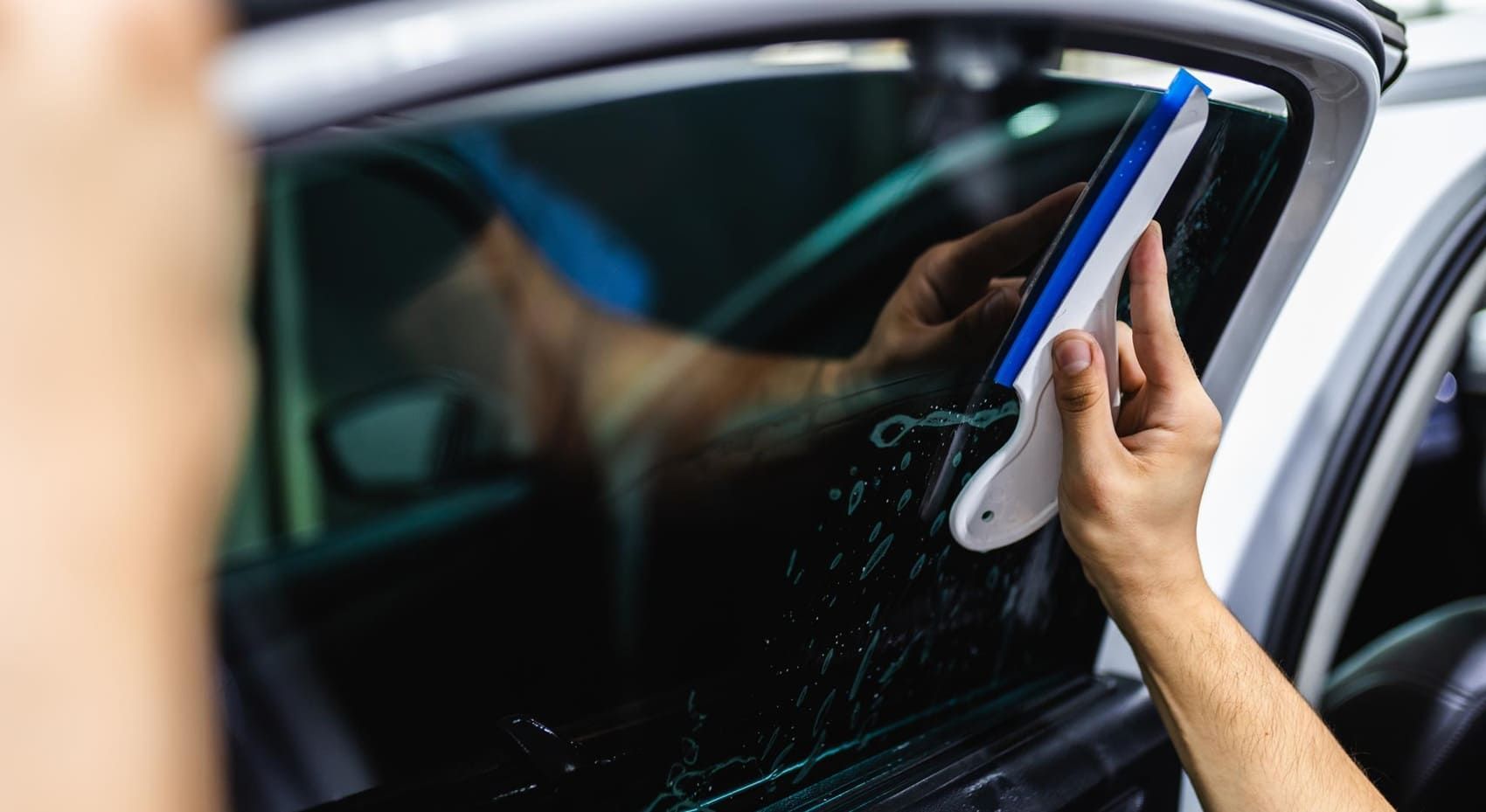
Haze, distortion, and contamination are more than cosmetic issues. They can affect night visibility and camera clarity. Professional installation reduces the risk of visual artifacts that become distracting over time.
Compliance protects you long-term
Florida has window tint rules for windshield and side windows. Staying legal helps you avoid fines and potential
removal costs. A professional shop can recommend shades that balance your comfort goals with compliance.
Velocity Window Tinting specializes in
Sanford FL window tint solutions and installs
LLumar FormulaOne window tint products engineered to deliver superior heat rejection and UV protection without interfering with modern vehicle electronics. If you want confidence that your tint choice will not compromise GPS, 5G, Bluetooth, satellite radio, or vehicle sensors, a professional consultation is the fastest way to get a plan that fits your car and your driving habits.
FAQ: Window Tint and Vehicle Electronics
Does window tint affect GPS?
It can in some cases, particularly with older metallic films or when the windshield is tinted with a film that reduces signal transmission. Modern non-metallic ceramic films are typically electronics-friendly.
Does ceramic tint block 5G signals?
Ceramic films are generally non-metallic and are far less likely to cause 5G issues than metallic films. In most real-world scenarios, network coverage and tower distance matter more than the tint.
Can window tint interfere with Bluetooth?
Bluetooth operates at short range inside the cabin. Tint is very unlikely to be the cause of Bluetooth issues compared with pairing, software, or device settings.
Will tint affect satellite radio reception?
Metallic films can be more likely to reduce satellite radio performance in some vehicles, depending on antenna placement. Non-metallic ceramic is typically the safer option.
Does tint affect keyless entry or push-button start?
It is unlikely. Keyless systems are more commonly affected by key fob battery condition or local interference sources rather than window tint.
Can windshield tint affect ADAS cameras?
Yes, if the film introduces haze, distortion, or is installed improperly around camera areas. Choose a clarity-first film and professional installation for windshield work.
Will tint void my vehicle warranty?
Tint typically does not void a vehicle warranty by itself, but damage caused by improper installation could create disputes. Choose a reputable installer and keep paperwork.
Is tint legal on the windshield in Florida?
Florida commonly allows a non-reflective strip above the AS-1 line and has additional rules for other glass. Confirm the current Florida legal limits with your installer before tinting the windshield.
What is the best electronics-safe tint choice?
For most technology-equipped vehicles, a non-metallic ceramic or nano ceramic film is the most electronics-friendly option while still delivering strong heat rejection.
How do I choose the right LLumar FormulaOne option?
The best choice depends on your vehicle, your desired shade, and your heat rejection goals. A professional shop can recommend the right FormulaOne film and verify it fits your electronics and compliance needs.
Conclusion and Free Estimate CTA
So, does window tint affect GPS, 5G, or vehicle sensors? In most modern vehicles, today’s non-metallic ceramic window tint does not interfere with electronics when the right film is selected and installed correctly. The interference concerns that many Sanford drivers have heard about mostly come from older metallic films and from poor product selection for windshields and sensor zones. If your goal is Florida comfort, the best approach is to choose a high-performance, non-metallic film that delivers heat rejection and UV protection while preserving clarity.
If you want expert guidance on electronics-safe tint options,
contact Velocity Window Tinting in
Sanford, FL. We install LLumar FormulaOne Auto Window Tinting products engineered for superior heat rejection and UV protection without interfering with modern vehicle technology. Reach out today to get a
free estimate for high-performance window tint solutions built for today’s GPS-enabled, 5G-connected, sensor-equipped vehicles.